Category Archives: Uncategorized

Contest: Win a Garmin 800!

As you know if you’ve been reading along, I’m on a mission: To get as many people as possible riding up here in the Catskills.

And as you will also know if you’ve been reading along, my Garmin 800 was destroyed after riding in the rain. Why Garmin can’t make a device that stands up to the rain, I don’t know. I’m giving it to a friend who is going to have it fixed.

In the meantime, however, I bought a Garmin 810…and just before it arrived, I received another Garmin 800 as a gift. It sounds complicated, I know, but the upshot is that I have an extra Garmin 800 now that’s unreturnable. I thought about regifting it, but then I had an idea.

Here’s your chance to win a Garmin 800 (first place) or a set of your choice of Grand Bois tires (second place) (Stand by for an update, though, there may be more prizes coming). The Garmin is the base model, so you’ll need to get a card with the maps, or just buy an SD card and download Open Maps.

Here’s the contest:

  • Design a route in Ride With GPS* of 50 to 200 miles in Ulster, Greene, or Delaware Counties (or use one of mine). One-day rides only. Camping trips are nice, but not what I’m looking for.
  • Ride that route
  • Send me at least 500 well-written words, at least 5 pictures, a map generated on Ride WIth GPS, and a link to the route, all of which will be posted as a guest post on my blog under your name or a pseudonym of your choice
  • Profit

You do not have to tell me why you want or deserve the Garmin. I don’t care, I just want to get people riding up here.

The contest is open to anyone who does not live in Ulster, Greene, or Delaware counties (yeah, I’m aware there could be cheating, and there’s nothing I can do about it. I’d appreciate it if you didn’t, though).

Here’s how you will be judged, in order of importance:

  1. Good story, well written. I reserve the right to edit.
  2. Great pictures
  3. Great route
  4. Distance On second thought, let’s call this category “adventure.” Your ride can be anywhere between 50 and 200 miles, but back roads, mountains, and gravel are a big plus. Sorry for changing the rules–on reflection, I don’t want people riding 200 miles who aren’t ready for it!
  5. Public transport (use the train if you can)

A few edits: I don’t care how fast you go. Just enjoy yourself! Also, no organized events, please.

The contest runs from right now until September 30. I’m betting I get less than 10 entries, so you’ve got a great chance of winning. Enter as many times as you like!

Entries will be judged by me alone, on purely subjective criteria. And I hate to say this, but keep in mind that I am not liable for any injury that results from entering this contest.

*Just FYI, Ride With GPS also generates cue sheets, so you don’t need a GPS to use it.

John

medicalwriter.net

Glucosamine and Chondroitin for Knee Pain: What’s the Evidence?

If you’ve been reading along, you know that I’m taking a week or two off from longer rides because of knee pain. I don’t think there’s anything wrong with my fit, it’s clearly from pushing too big a gear up extended 20% grades, plus a saddle collapse that put me almost a centimeter below my usual position. The knee pain really started after a long, long cat 1 climb in the northern Catskills. I’m feeling much better now, but I’m still only going for daily 10-15 mile rides, rather than the 80- to 120-mile rides I prefer. I’ve also, much to my disgust, replaced my Brooks Swallow saddle. I wish something else worked for me, because I don’t like spending $300 on a new saddle every 6000-7000 miles, which amounts to only a year of riding for me—probably less now that I live somewhere that is much more conducive to riding.

So now I have a new found interest in treating and preventing knee pain. My girlfriend, who is a runner, swears by glucosamine/chondroitin supplements, together with krill oil. Being a biomedical scientist, I asked, what’s the evidence?

Before you read this, I want you to keep in mind that I have my own inherent bias, in that I want the supplements to work; also remember that I wrote this post in 15 minutes at 10:00 at night, so it is far from a complete assessment of the current literature!

The GAIT trial was a prospective (meaning planned in advance) 24-month, placebo-controlled study conducted in 572 patients who, at baseline, satisfied criteria for osteoarthritis of the knee. These patients were randomly assigned to several treatments: glucosamine, glucosamine plus chondroitin sulfate, the COX-2 inhibitor celecoxib (a non-steroidal anti-inflammatory drug, like naproxen, with somewhat different properties), or placebo. The primary outcome measure was a 20% decrease in knee pain from baseline to week 24.

Unfortunately, GAIT showed that there were no significant differences among the groups in terms of response: the placebo response rate was 60.1%, whereas the response to glucosamine was only 3.9 percentage points higher, and the response to the combination was 5.3 percentage points higher.

On the other hand, the STOPP trial, which was published in 2009 in the generally high-quality journal Arthritis and Rheumatism, found that there was a significant reduction in joint-space width loss and a significantly more rapid improvement in pain among patients who received chondroitin sulfate, with no safety issues. While I would ordinarily discount a single study, this represents the largest single prospective study of chondroitin in the literature that I am aware of (I’m not writing this for work, so I’m being a little casual about my research). But it’s not much bigger than the previously noted negative trial. Again, this study was conducted in patients with pre-existing, relatively severe osteoarthritis.

The results of these small trials are interesting, but given their small size and the fact that they enrolled patients with osteoarthritis that was fairly significant (and thus, a group that is unlikely to be participating in exercises that stress the knee), they don’t have a lot of relevance for your average active athlete. Another study, conducted in Navy Seals, found that knee osteoarthritis symptoms were relieved in patients who took the active treatment, which in this case included glucosamine, chondroitin, and manganese ascorbate. This study may be the most relevant to the average athlete, as Navy Seals, one would suspect, are reasonably active.

Now, what about meta-analyses? Meta-analyses combine data from multiple trials, and are often considered to be the best evidence for or against a treatment. Unfortunately, we get contradictory results here as well. A recent meta-analysis, published in 2010 in BMJ, assessed the efficacy of glucosamine, chondroitin, and placebo, again in patients with preexisting osteoarthritis, and found no evidence for efficacy in terms of joint-space narrowing or functional/pain outcomes. Again, all of the studies were conducted in patients with pre-existing, relatively severe osteoarthritis. However, several earlier meta-analyses identified clear benefits associated with these supplements

Setting aside the meta-analyses, which could contradict each other for any number of methodologic reasons, why are the results of the STOPP and GAIT studies discordant? I think GAIT was poorly designed and run. First, the GAIT study had an extraordinarily high drop-out rate. Second, the study used an older radiologic technique to assess joint space narrowing. Third, GAIT used a low threshold to identify responders—a threshold so low that it could easily be reached by many patients in the placebo arm, eliminating any chance to identify a significant difference between active treatment and control.

It seems like the evidence is equivocal, as so much is in medicine. So what am I going to do? Neither glucosamine nor chondroitin appear to have significant side effects, so I am going to keep taking them.

John

medicalwriter.net

Anyone can do it!

I was reading Jan Heine’s excellent blog, Off the Beaten Path, and a comment from Jan struck me:

“We really are just a bunch of middle-aged guys enjoying ourselves. We do have excellent bikes, and we do some focused (and fun) training. Optimizing these factors, plus years of experience, allow us to do things that may seem exceptional. Vélocio said that rides like these are within reach for ordinary people, and I hope we are proving him right.”

It’s true.

I’m not in Jan’s league, but I’m closing in on middle age and I pull off “feats” of endurance every weekend—and sometimes twice weekly—that astonish my friends and my colleagues (my girlfriend is decidedly less impressed, I think she’s sick of hearing me talk about the XXX miles I ride each weekend). And let me tell you, my athletic ability is nothing special, or at least it started out as nothing special.

I get a lot of comments both here and via e-mail, about how “hard core” I am, riding reasonably long distances in all weather. Well, I don’t enjoy suffering the way some people do, and I have no goals on my bike except getting out of the house, into nature, exploring, and enjoying myself. I don’t do any special training. Although I ride three or four 20- to 40-mile rides during the week, all of my rides are for fun. They don’t include intervals, hill repeats, or power measurements. They are more than adequate as preparation for the 80- to 200-mile rides I prefer. Anyone who rides a lot will tell you that 100 miles isn’t a big deal…at all.

If I can do it, anyone can. The first step is to get a decent bike. It doesn’t have to be expensive, but don’t buy it on E-Bay or by mail order. Go to a good shop, explain your intended use, and get them to help you find the right bike. You’d be astonished by the difference it makes. You can also find great bikes on Craigslist; in fact, I found an awesome vintage Trek with high-end Suntour components for one of my assistants for only $300 (with a TA Pro Vis 5 crank and rings, no less, and you know how much those cost).  Try a number of saddles and find one that works for you. Everyone is different. Get some appropriate riding clothes too, it makes a huge difference and enables you to ride in all weather. Everyone resists the jersey and padded shorts when they first start riding, and almost all of them eventually give in.

And that’s about all the advice I have!

John

medicalwriter.net

Sometimes Things Just Work Out

I was supposed to go to London for work. Canceled! Now I don’t have to panic work to get everything done before I go. Sometimes things just work out.

So: Ouch Mountain or the Undiscovered Country this weekend?

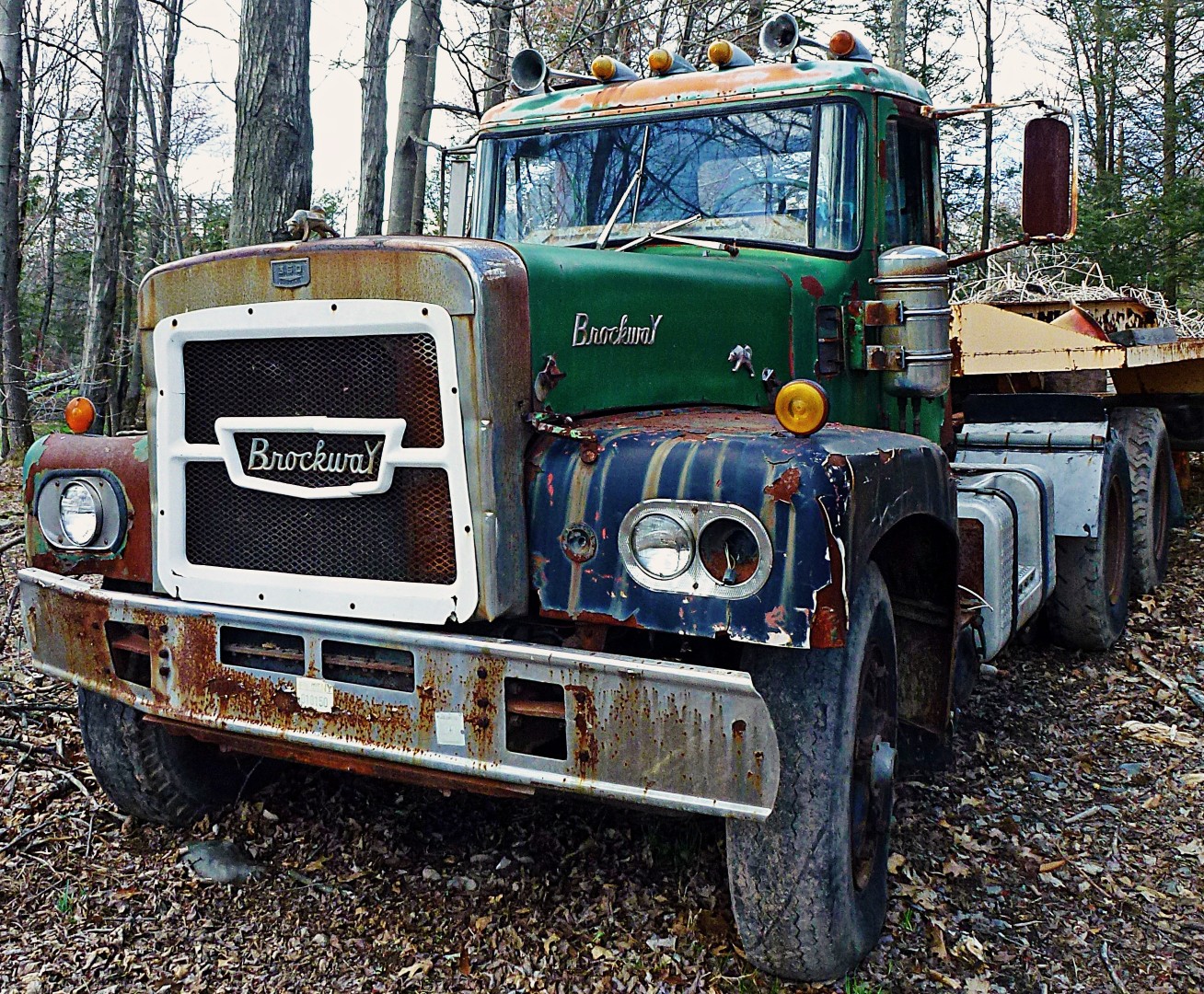
This photo, which I took on my last ride, is of a Brockway truck; the hood ornament is a husky pulling a sled. I am surprised that it hasn’t been pulled off yet as they can sell for a significant amount on E-Bay. At some point I want to return to take some proper photos.

1 (Large)

John

medicalwriter.net

A Sunday Tragedy

Here I sit, on a beautiful Sunday afternoon. Working.

Doug H came out to my place for a planned 80-mile ride over Peekamoose and then to the Neversink Reservoir. Unfortunately, about 5 miles into the ride I had a mechanical that resulted in a crash. Now I’m sitting here nursing a wrist that has swelled up to the size of a tennis ball.

So sad…as you know, I spent the past month traveling, so I’ve only been able to get in a few quick rides. I was looking forward to this ride for the last 5 weeks!

Hopefully the swelling will go down enough that I can do some short 10- to 15- mile rides every day this week, and by next Saturday, it better be gone, because we’ve got a 200k planned.

John

medicalwriter.net

Blog Neglect

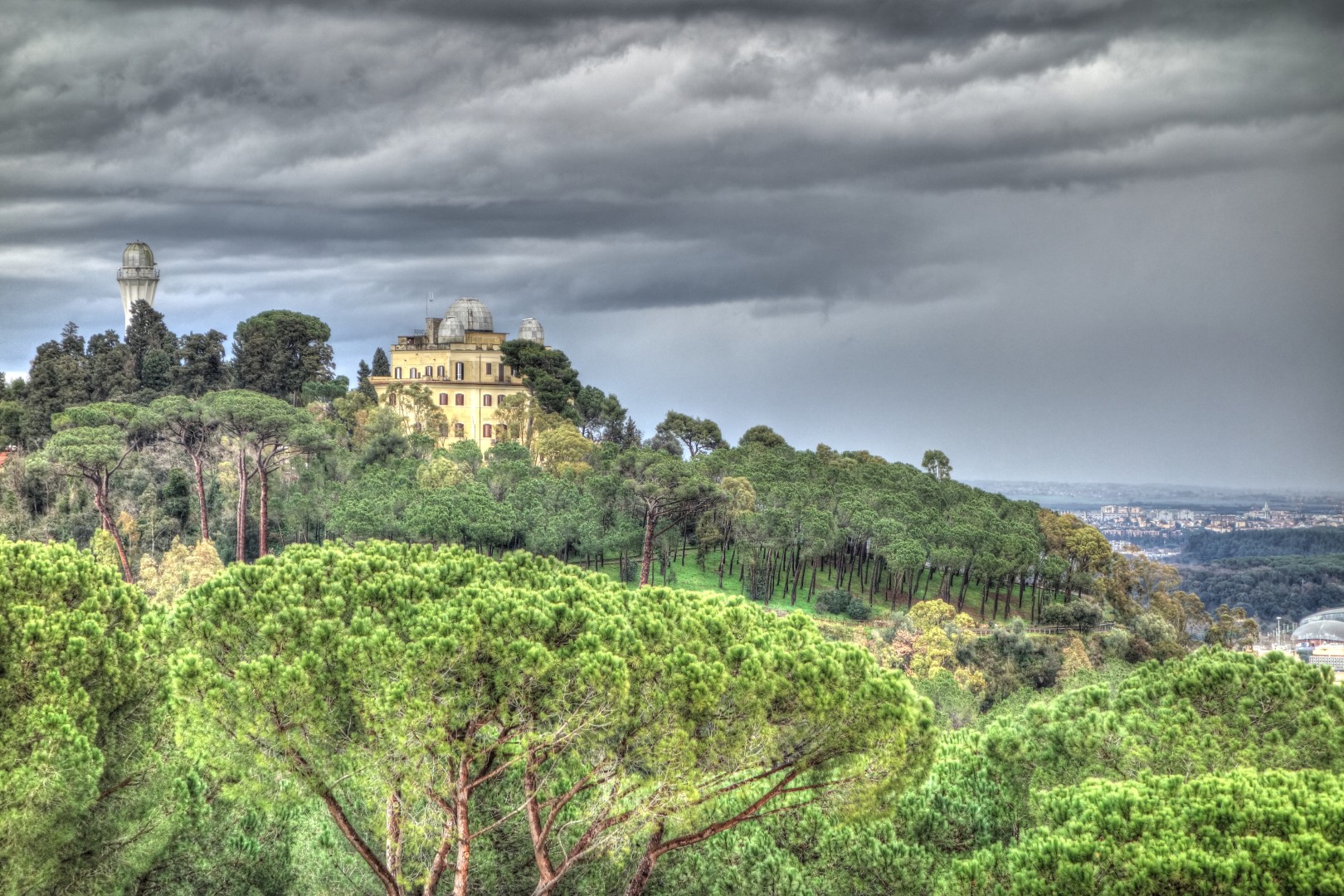
I haven’t been ignoring the blog, I just haven’t been home! I went to Rome for 6 days (a few pictures below), then to Arizona for 7 days, and now I have a week at home before leaving for Prague.

I’ll post some pictures of my rides in Arizona tonight, if I can get out from under this pile of work that has accumulated. Overall, road riding in Arizona gets two thumbs down from me, although I hear the mountain biking is spectacular.

I’ll get back to a regular posting schedule in early March, when I hopefully will have time to start accumulating serious miles again.

John

medicalwriter.net

Free to a Good Home: Enve 6.7 clinchers

Just kidding!

I have a set of Enve 6.7 clinchers that I am not using, so it’s time for them to go. These were a mistake. I love my Enve 3.4s, but the 6.7 is too much wheel for my skinny ass to handle. I rode them twice, the third time I was coming down a mountain pass and came very close to getting blown off the road at 50 mph by an errant 30 mph crosswind. Yes, they are far more resistant to crosswinds than traditional-section wheels, but really they should go to someone who is riding flat and fast, rather than laboring up hills and flying down them like we do around here.

Built on light (but not ridiculously light) Soul-Kozak hubs, narrow-spaced front and magnetic rear. Campagnolo freehub. The rear hub is loud. But you shouldn’t be coasting anyway, right? The front hub is extra narrow for improved aerodynamics, but have no fear, according to Fairwheel: “The average front wheel will be a tiny bit stiffer, but the Soul Kozak/Enve front wheel will be significantly more aero with pretty much the same stiffness.”

They appear, for all intents and purposes, brand new, having been ridden <100 miles total by a lightweight rider who rarely brakes, even when it is highly advisable.

They’re going for $2800 to $3400 on the Enve website. Let’s say $2400, or you can make me a reasonable offer. I’ll take $100 off for anyone who wants to come out here and pick them up.

Contact me if you are interested, my information is on the About page.

John

medicalwriter.net