Category Archives: bicycles

Best Cycling Purchase 2012: Assos Zegho Sunglasses

Ah, back from Prague. I was only home for 6 days in February. The rest of the time I was traveling: Rome, then Arizona, then Prague. The future looks bright, though–I don’t have any scheduled travel until mid-April, which means that I can get back to some serious riding. I am tragically out of shape; as I mentioned previously it takes weeks or months of work to get to the bleeding edge of fitness, but only a few weeks to lose peak form. I’ve planned a 90-mile ride with Doug H this weekend, hopefully he will take it easy on me! That said, this should be the last of the blog filler for a while, and I’ll have plenty of new routes and rides to report.

I have an agenda for this review.

I know I look like Bono when I’m wearing these, but they are superior to any other cycling-specific eyewear I’ve ever tried. I went through 3 rounds of buy-and-returns trying to find the perfect pair this time, and finally just gave in and bought these to try.

Zegho

I purchased them at retail, and I have no connection to Assos or to any other cycling company. I would also note that I am no Assos fan boy. The new S5 chamois is just awful, and the fit of their jerseys is terrible, despite the fact that—at just under 6 feet and 145 lbs—I have a prototypical cyclist’s body.

That said, there are two things I love from Assos: Any shorts or tights with the old orange S2 pad, and the padless, hideously expensive Fugu bib tights. In fact, I like the S2 shorts so much that I’ve been snapping them up on E-Bay when they appear, even half shorts. Where I am going to wear yellow half shorts, I don’t know, but given the number of pairs I have to go through before I get to the yellow ones, it will be 2025 before I find out, and by then I’ll be well into the IDGAF stage of my life anyway.

It is not often that a product comes along that so clearly improves the riding experience. I honestly don’t care what people think about Assos: these designed these sunglasses from the ground up for cycling, and it shows: they are fundamentally better for this purpose than any other sunglasses, period.

1. They fit beautifully and do not cause the ear pain I often experience with glasses that hook behind the ears.

2. The lenses have zero distortion, regardless of viewing angle. All other sunglasses I have tried–even expensive ones–create at least some distortion, particularly at the margins.

3. The lenses fit perfectly over the eyes, providing a shield while allowing for airflow–not enough to dry your eyes, but enough to keep them from steaming up in cold weather.

4. The yellow tint makes everything clearer, including in the evening and at night. Almost makes me want to wear them all day, every day, except my girlfriend would leave me and I would have no friends.

5. The strap is useful as I ride rough roads that can dislodge my glasses (RIP Rudy Project!)

6. The lenses have a hydrophobic coating that sheds water rapidly. It may also just be that the shape encourages the water to run off the sides rapidly. I have worn them in multiple downpours now, as well as snow, and it is a significant change from the sunglasses I have tried.

7. The transition from tint to almost clear is abrupt. Not critical with the yellow tint, but I can see where it might be useful with the darker lenses when you are on a route with abrupt transitions from light to dark. A smart decision, and safer than photochromic lenses, which I think are inappropriate for cycling.

Now, I’ll admit I’m extra fussy about my cycling clothes, mostly because, in addition to 3 or 4 quick 20 to 30 miles rides each week, I usually take a 12-hour plus ride on the weekend. When you’re on a bike that long, everything matters. For example, on one 18-hour ride, rough seams and bad fit on a cheap pair of Pearl Izumi bibs conspired to create an open wound on the outside of my thigh. So little things, like ear pain from glasses hooking behind the ears, take on additional significance when you’re on a long ride.

These sunglasses are the best cycling purchase of 2012 for me, and probably the best cycling apparel purchase I’ve ever made. They are also available in a darker tint, and now in a clear version. The latter is unnecessary—the yellow is good enough even in the dark.

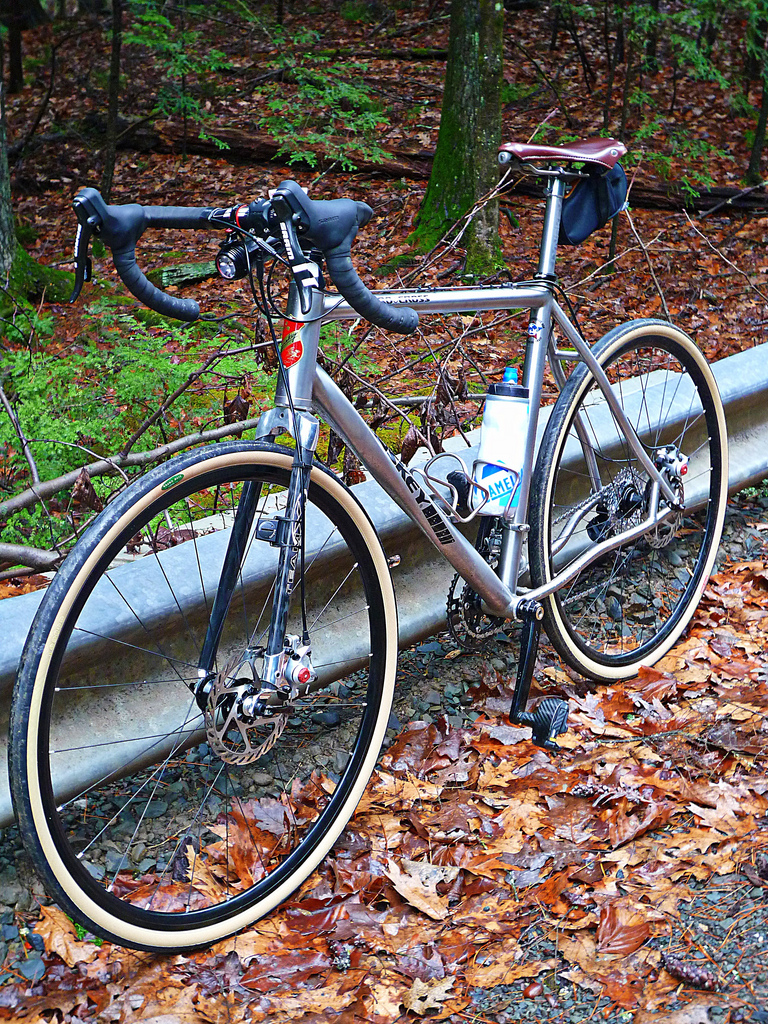
My agenda? I am trying to convince others to pony up for these sunglasses so I don’t look like an idiot. Here I am being handsome in my sunglasses on my winter ‘cross bike, what do you think?

1 on bike (Large)

John
medicalwriter.net

Off to Prague!

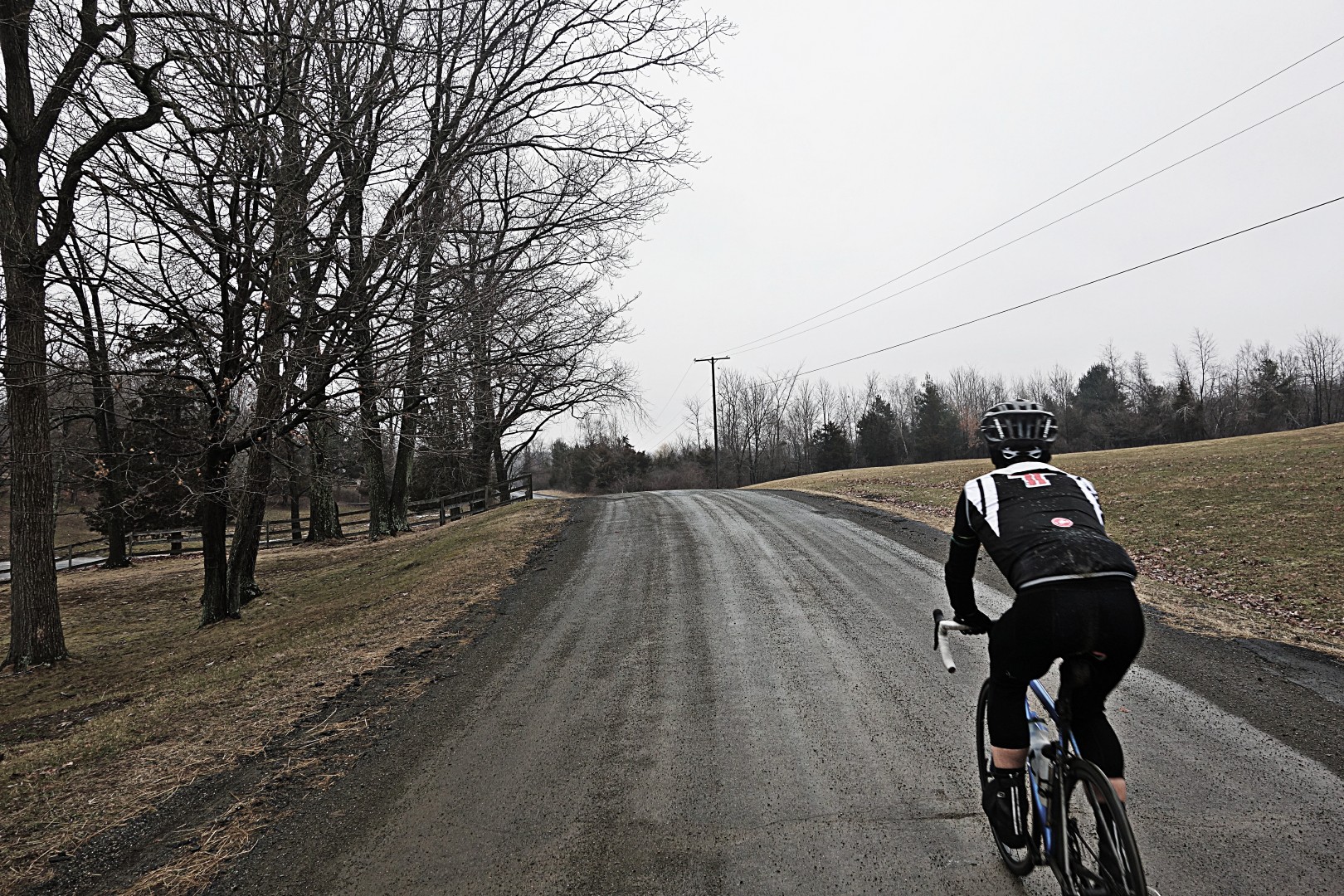
Only 7 days at home, and I’m off to Prague on Wednesday. This week mostly consisted of catching up on accumulated work, although I did manage to get three quick 20-30 mile rides in. It never ceases to astonish me how quickly peak fitness is lost. It is particularly apparent out here in the mountains, where you pay for even a small loss of fitness with some serious suffering. But suffer I did. At least I have nice scenery to look at while I’m doing it.

A few pictures.

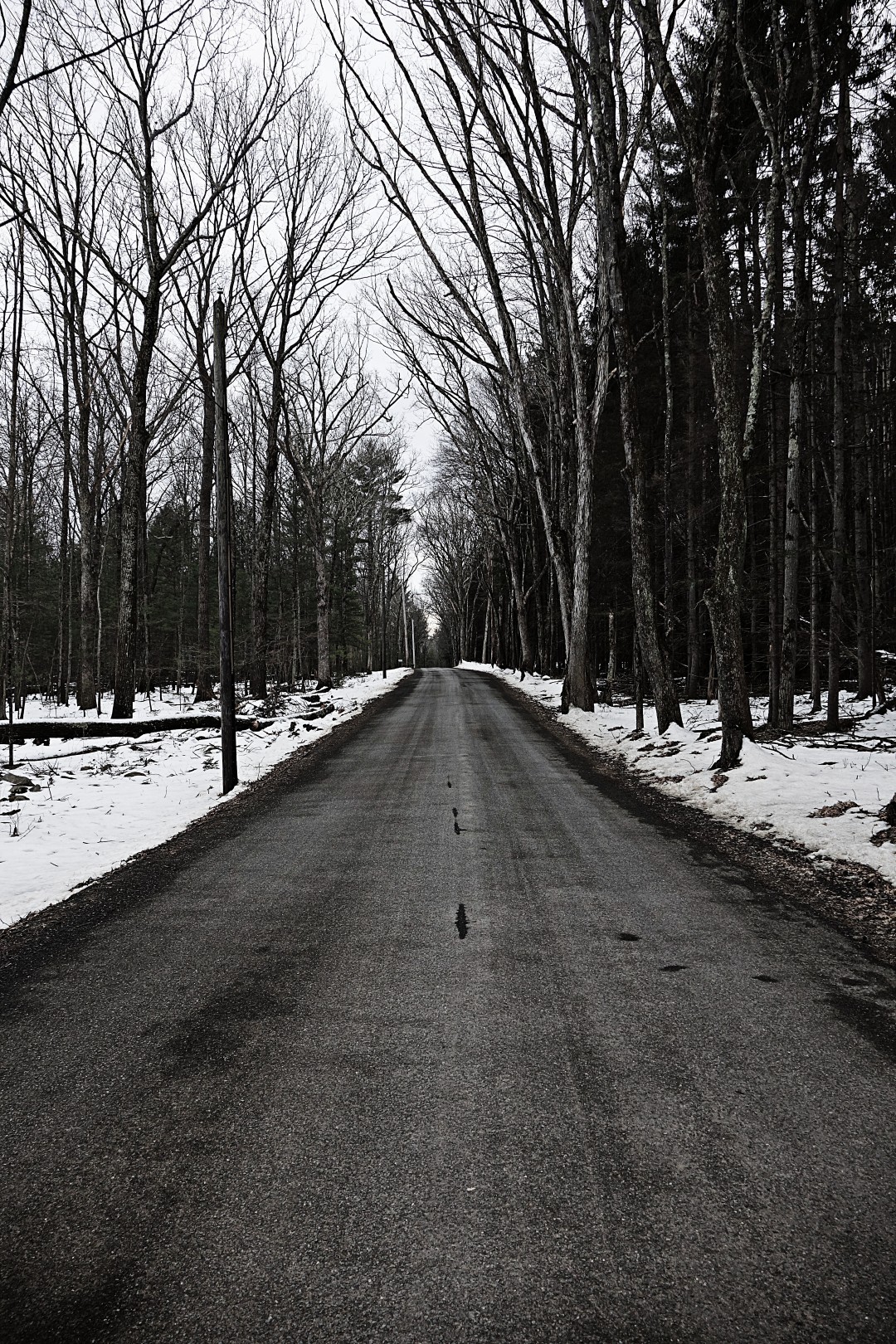
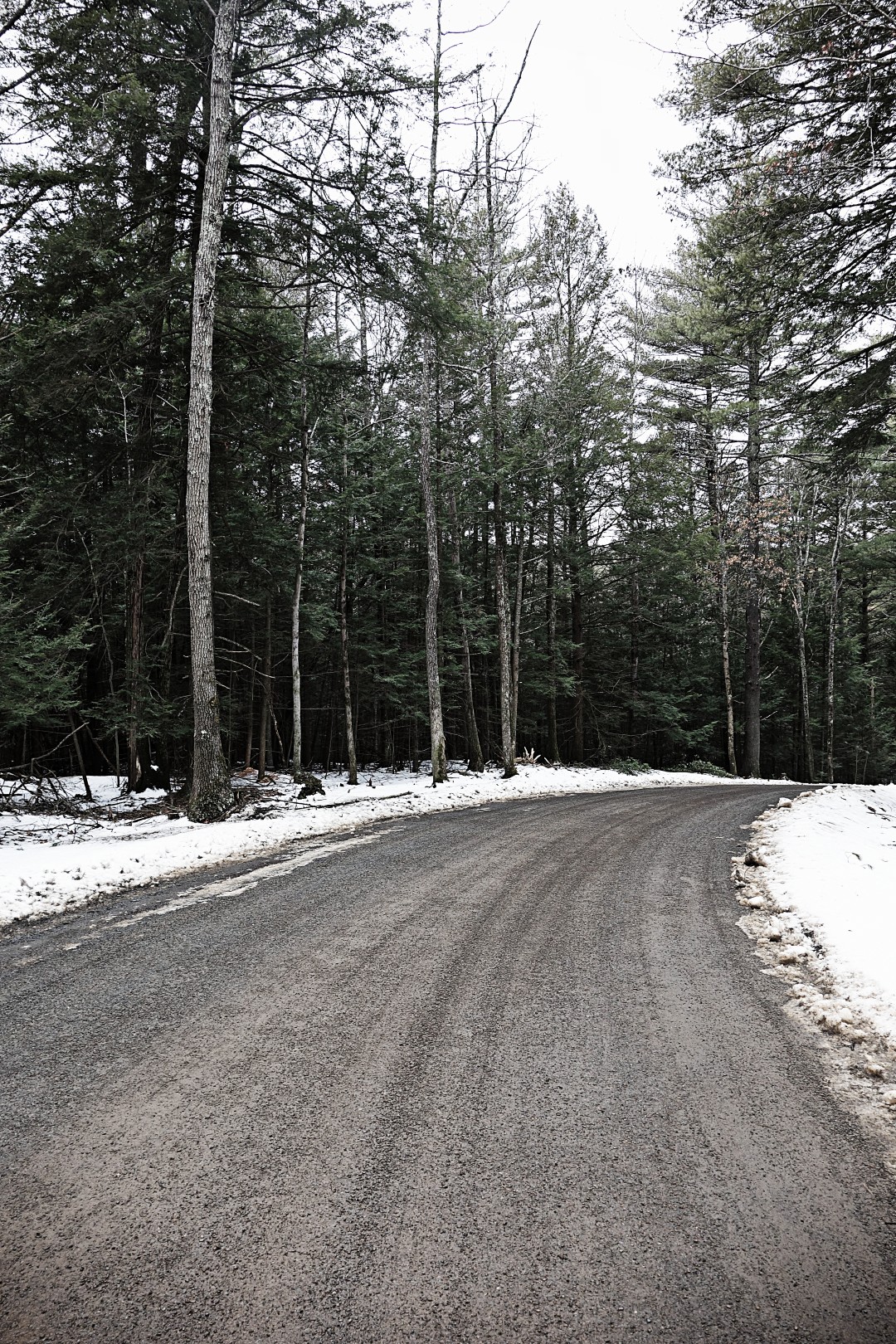
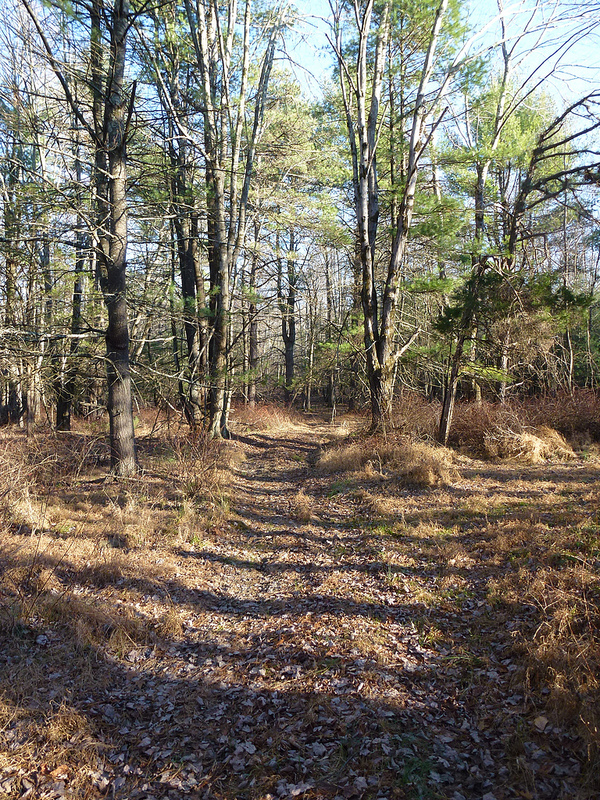
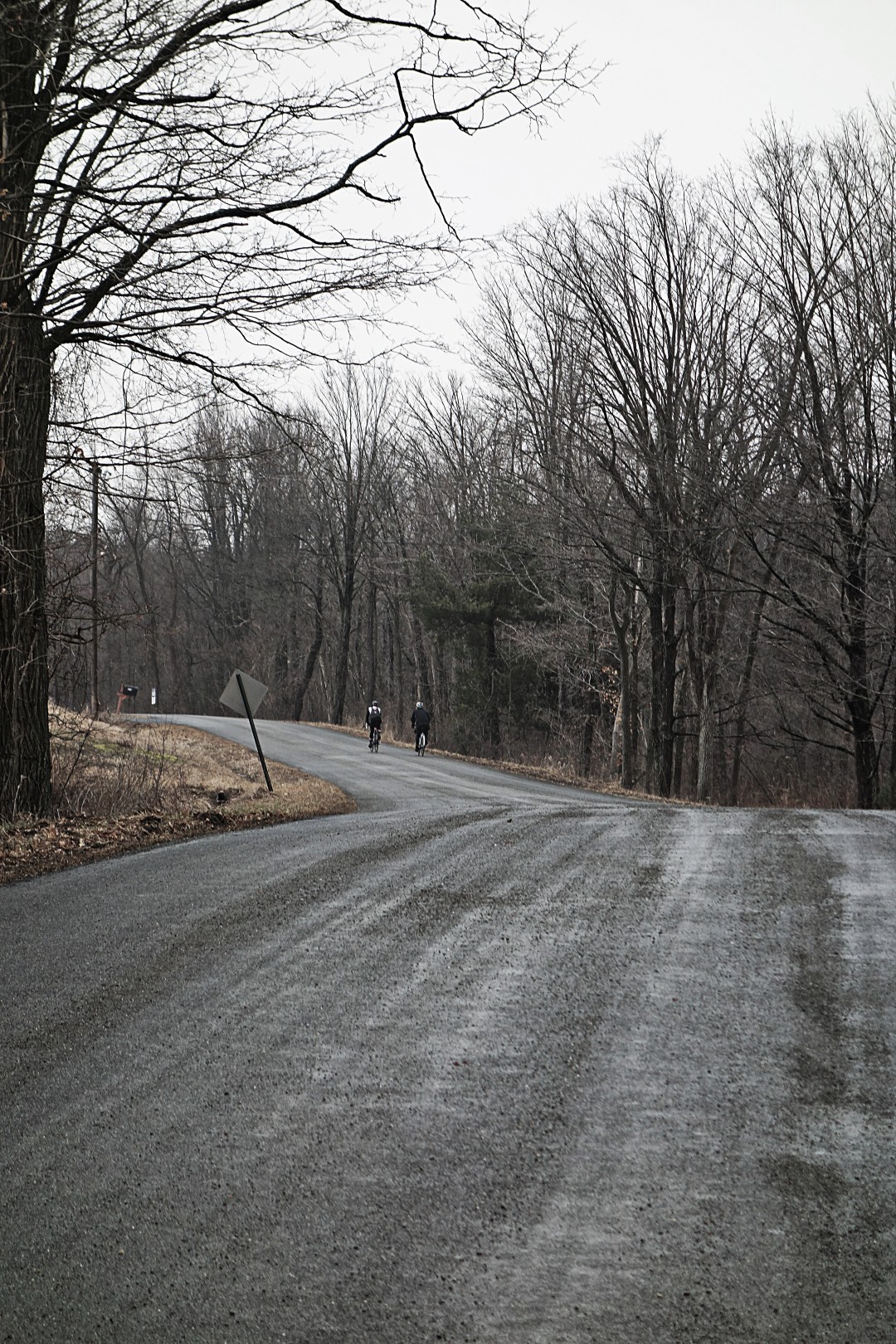
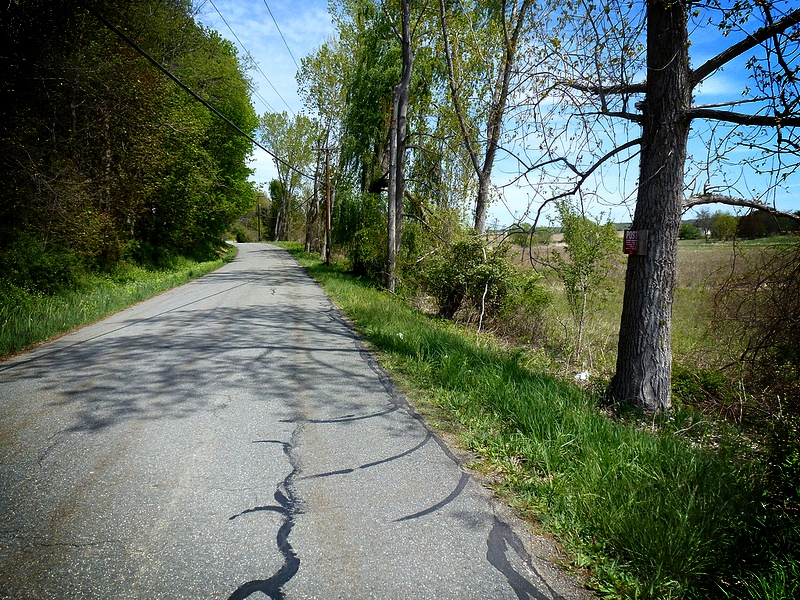
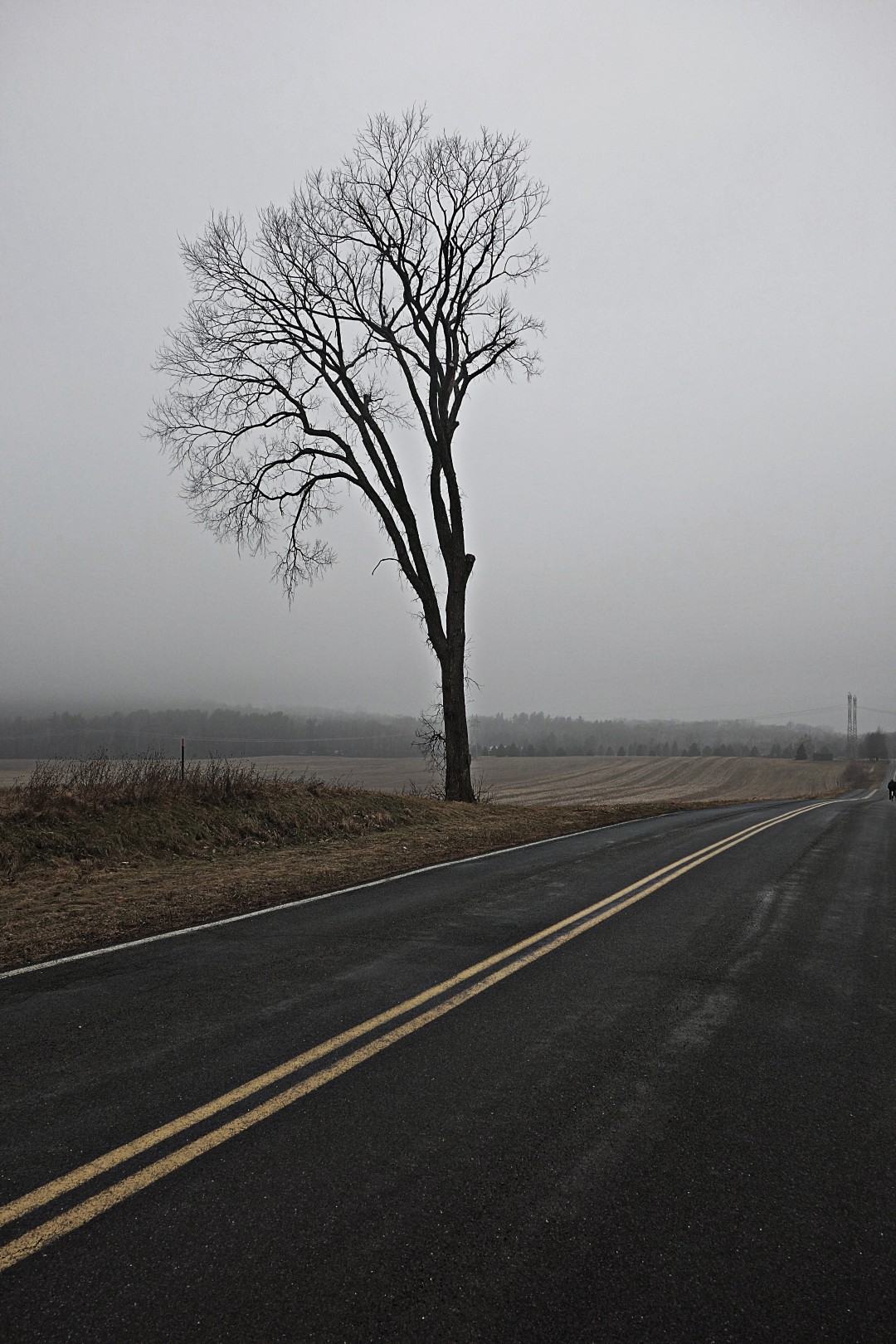
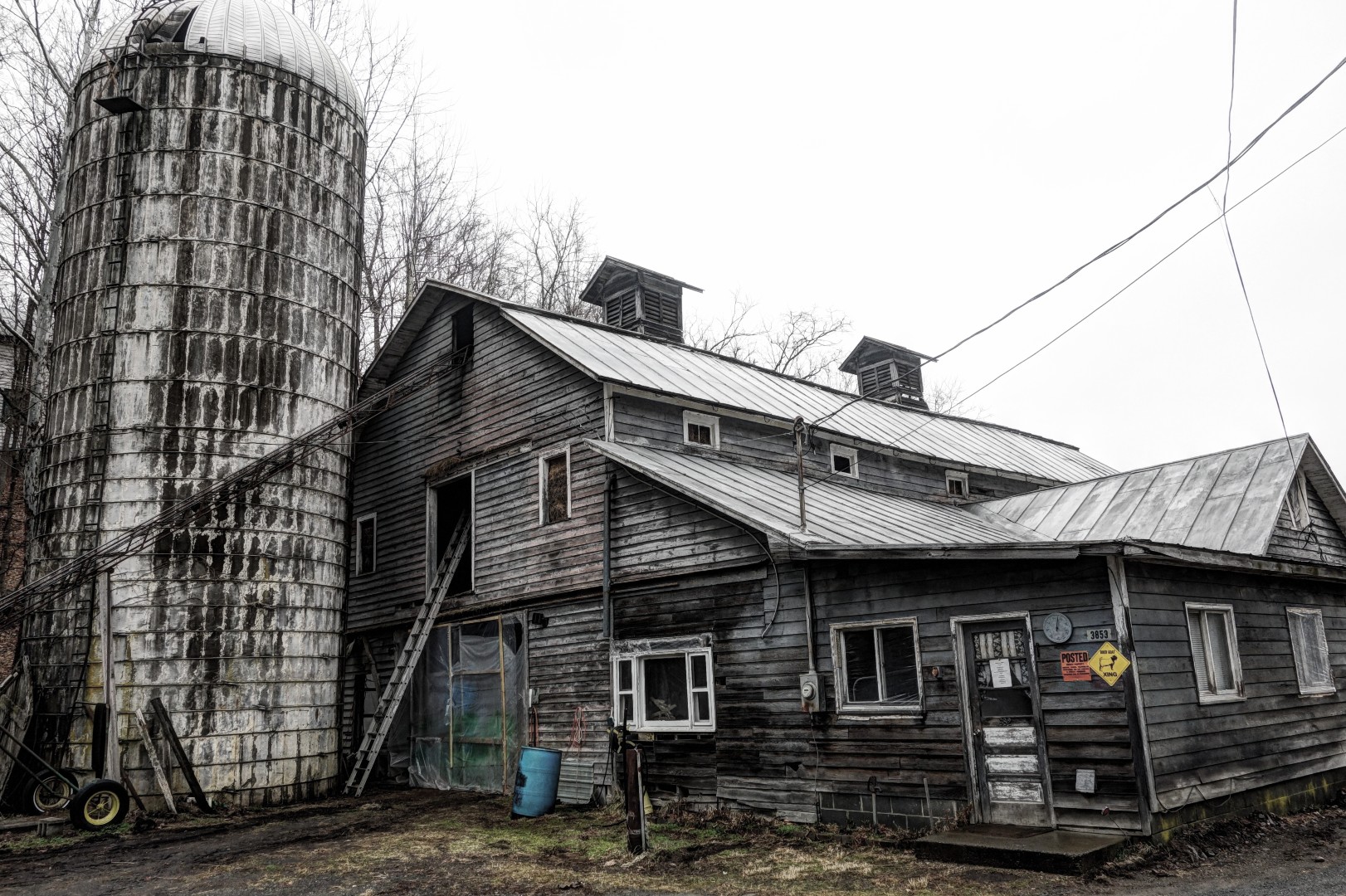
Close to my house. This is Brown Road. During the summer it’s magical…like something out of Lord of the Rings. During the winter, well…

1

2

3

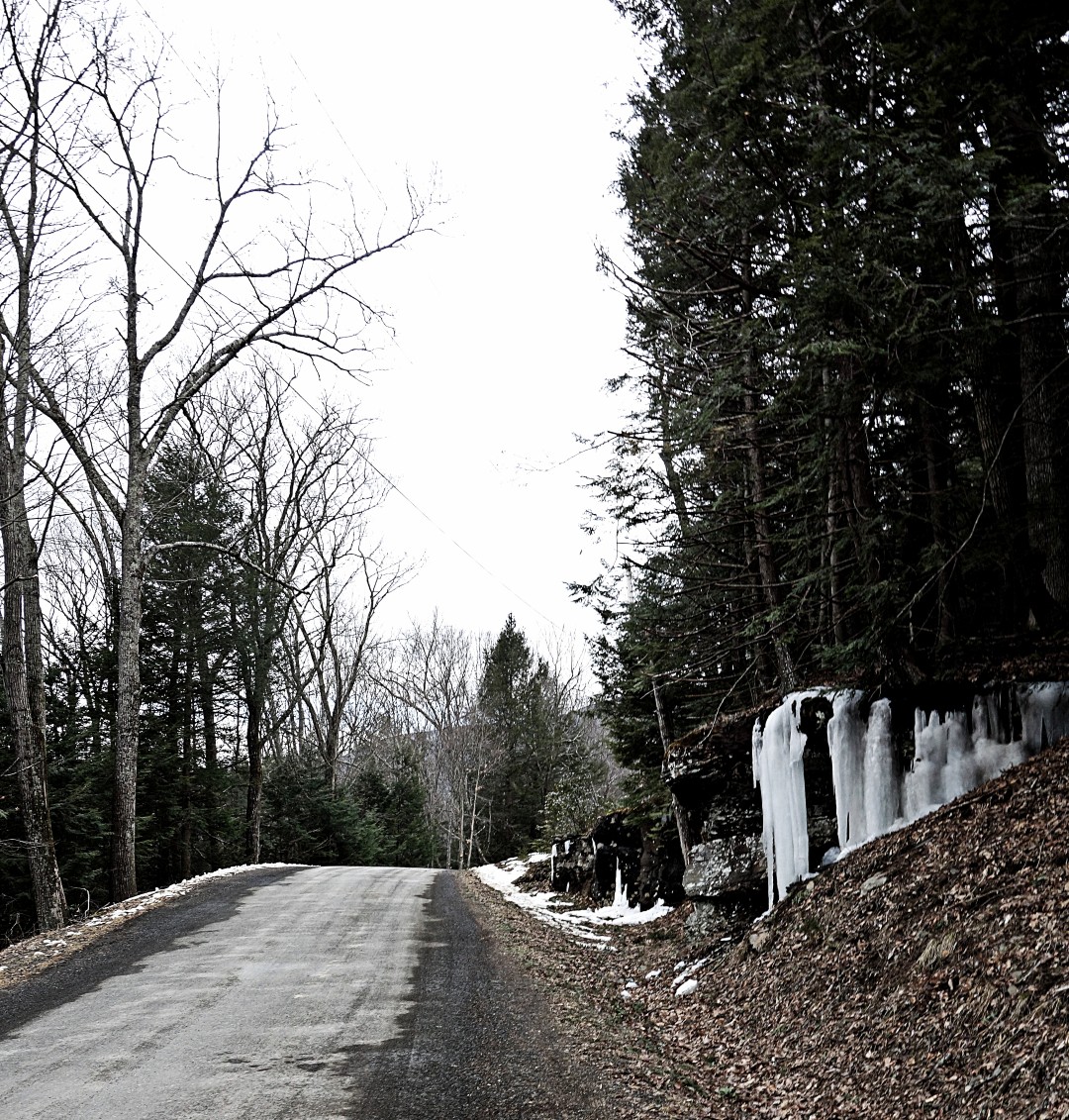
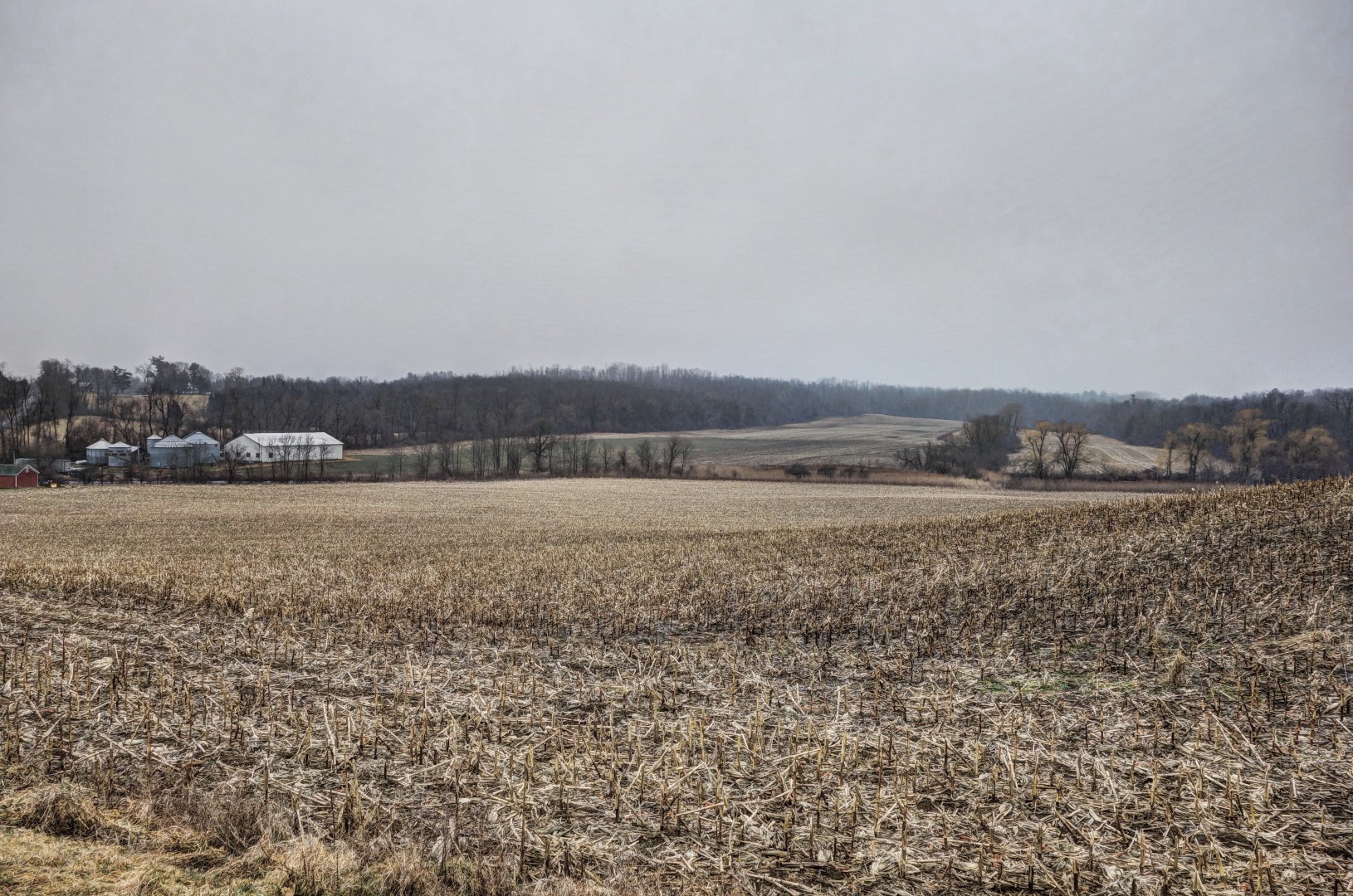
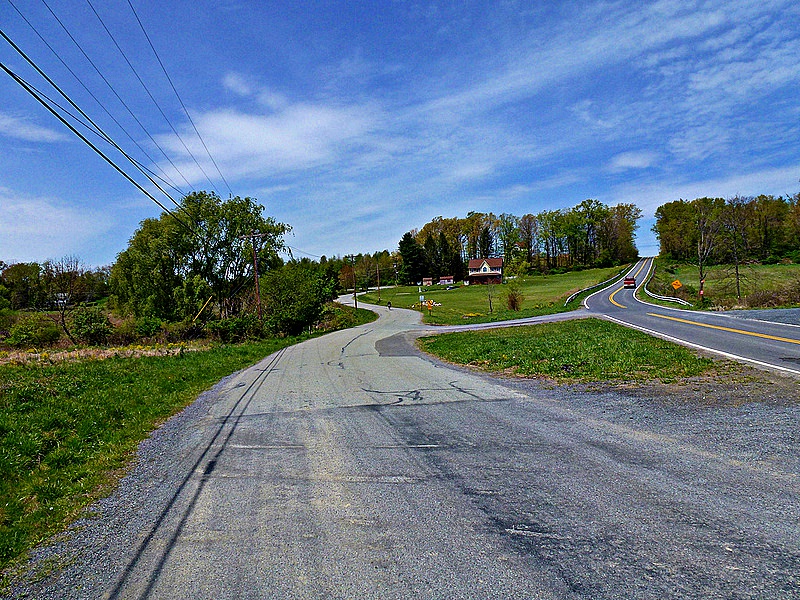
This is the approach to the Peekamoose Loop. The road runs right behind the mountain you see here.

4

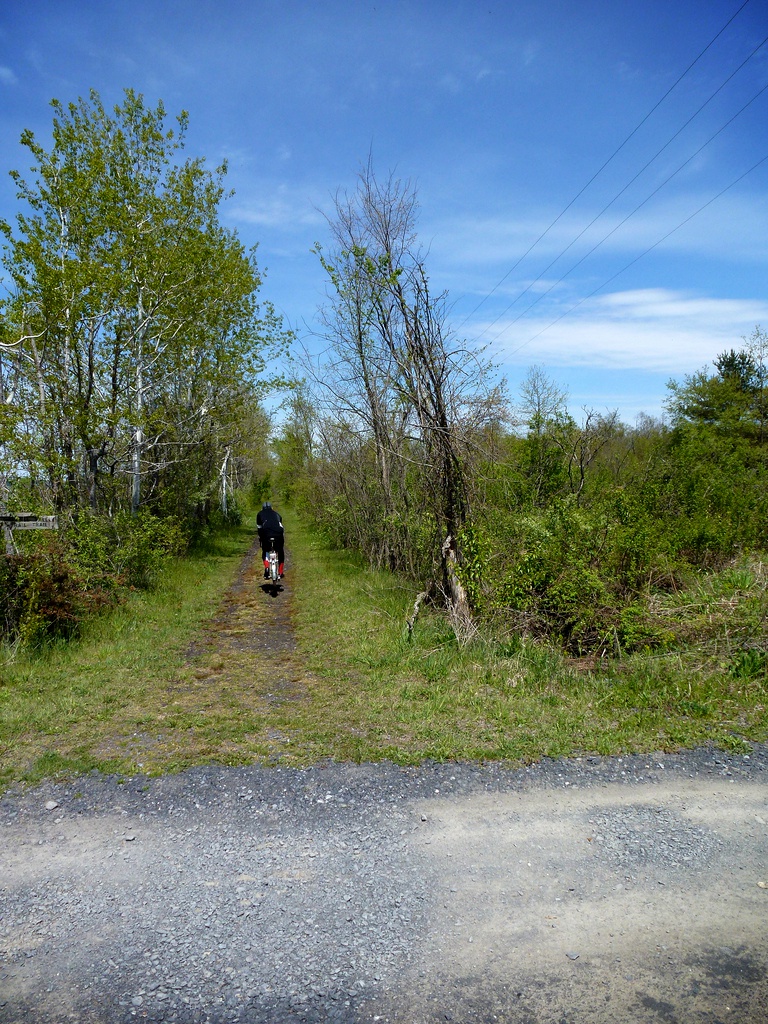
I did a little exploring on my last ride, trying to cover the last few roads in the area that I haven’t hit. This is the creatively named Cross Road. It’s dirt, and today it was a mushy mix of mud and partially melted snow. I actually had to walk about 20 feet up the hill you see in the distance because I was sinking into a slush/mud collaboration

6

7

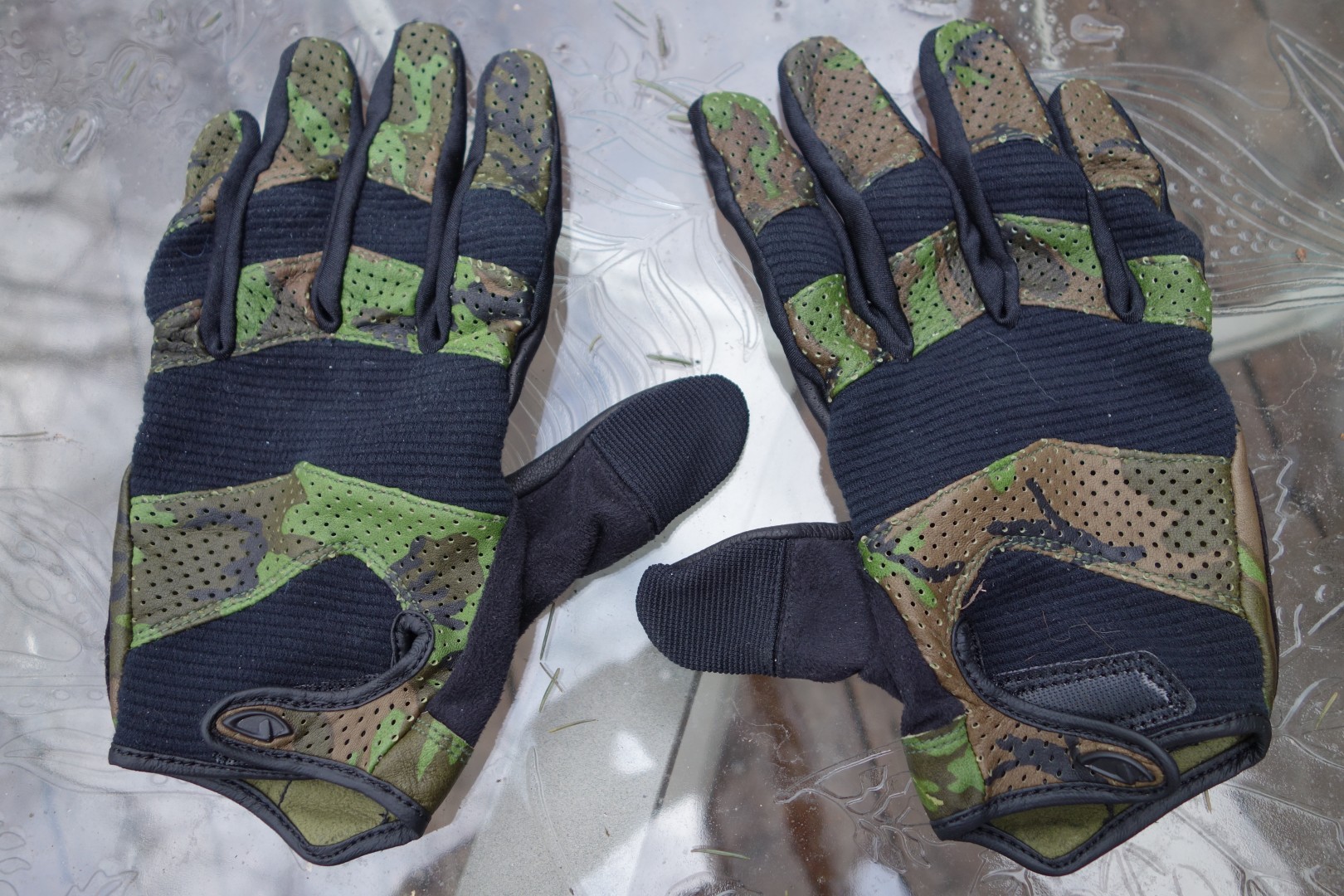
In other news, I got these hot gloves. I have an obsession with camouflage. They were overpriced, and only 50 were made, and they are so worth it.

8

March 16 marks the return of Century Saturdays, wherein I ride a century a weekend until mid-December (except when I am traveling, of course). In truth, my weekend rides are not always on Saturday, nor are they ever exactly 100 miles, but they’ll average out to about 100 miles each over the year.

I will return on March 4, and thereafter I will be back to my regular schedule (that’s 2 to 3 posts weekly).

John
medicalwriter.net

My English: A Review

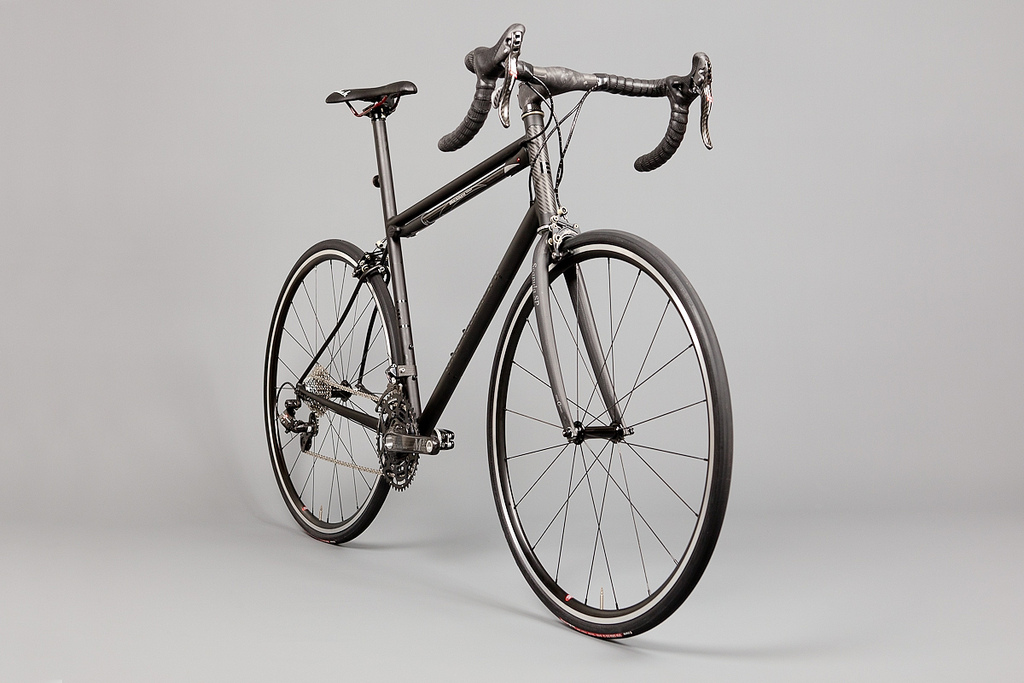
Since I’m not riding because of travel and now a rather unfortunately timed snowstorm, it’s time for some filler. I wrote this review about a year ago and posted it on Flickr. I thought I’d move it over here to start my series on my bikes past and present.

If you look through my Flickr, you’ll see that I’ve rarely written more than a few sentences about any of my bikes past or present, but the change in mindset that this bike has caused deserves more than a paragraph.

I’m going to preface this review with a quick synopsis of my evolution as a rider.

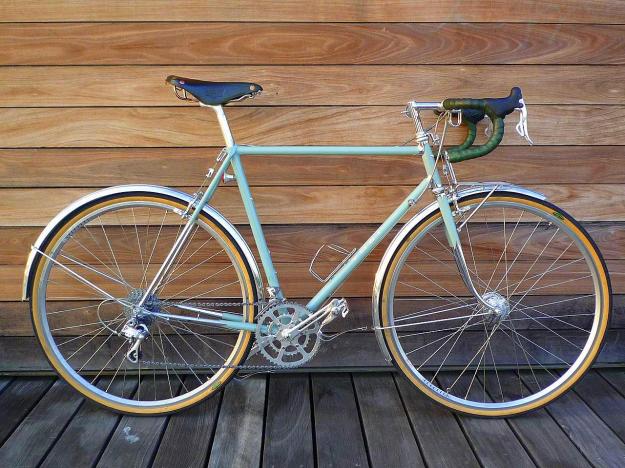
Setting aside all the time I rode before I got my driver’s license, I’ve been riding since moving to New York City in 1998. For the first 10 years, I was a commuter riding about 50-60 miles per week. Inspired by Rivendell, I got serious in 2008. My first bike was a 650B Saluki in full Rivendell style–high bars, racks, bags…Grant Petersen’s dream bike. I quickly found that it was sluggish and not a lot of fun to ride, plus I was not a fan of high handlebars, platform pedals, or heavy steel. After only about 6 months I purchased a Toei on E-Bay. Big improvement, and I finally discovered the joys of riding clipless. I very quickly went from riding at a rate of about 2400 miles/year to almost 8000.

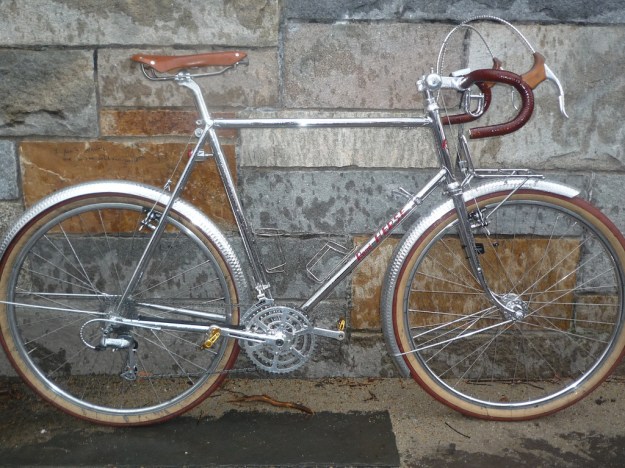
The Toei wasn’t the right size, so I ordered an Herse, which was a revelation in terms of fit and performance. Not to mention that it’s a gorgeous bike. During this time I experimented with other bikes that were quickly sold.

Except for the first few months, I’ve kept close track of my miles since 2008, and I’m up to just under 34,000. Most of my miles and time on the bike is spent on rides of 50 miles or more, and when I’m not traveling I prefer rides that are much longer than that.

So…I’m not the most experienced cyclist, nor am I the fastest cyclist, but I put in a lot of reasonably fast miles, usually in hilly terrain and with as much gravel and back roads as I can find.

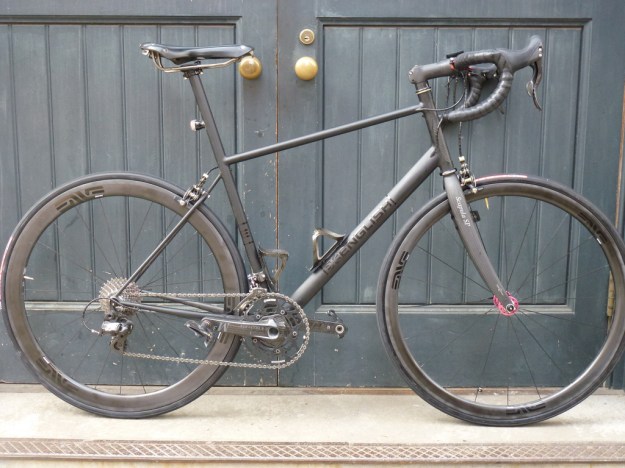
Why am I telling you all this? This bike, which was built by Rob English, is the product of that experience. Previously I had thought the ideal distance bike was a low-trail steel randonneur with racks, a handlebar bag, and fenders.

1 After only 500 miles, the English turned my world upside down.

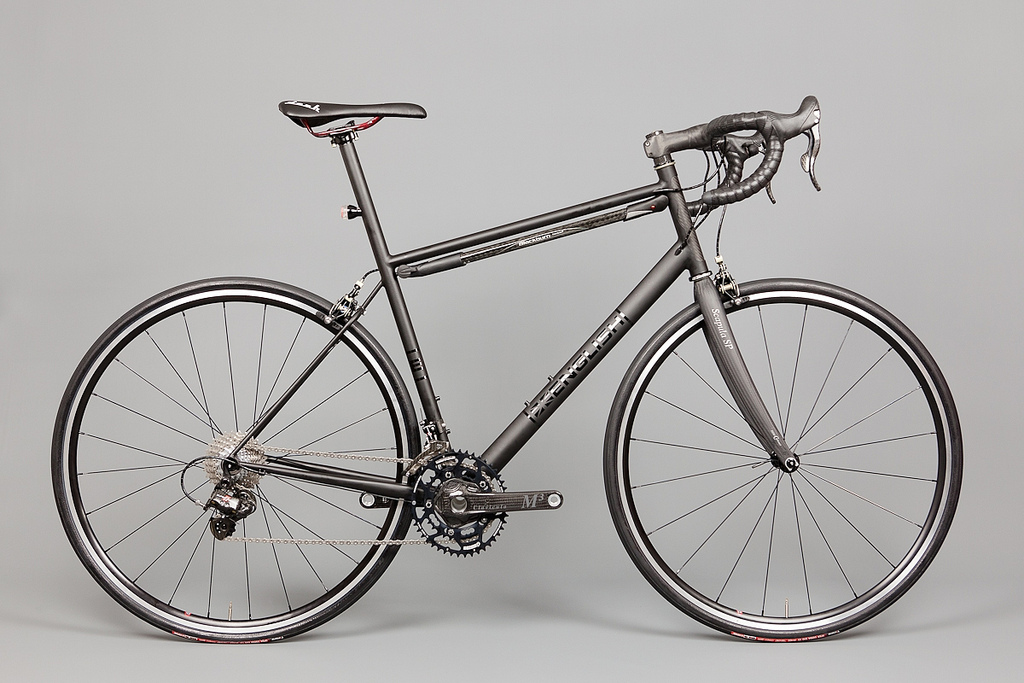
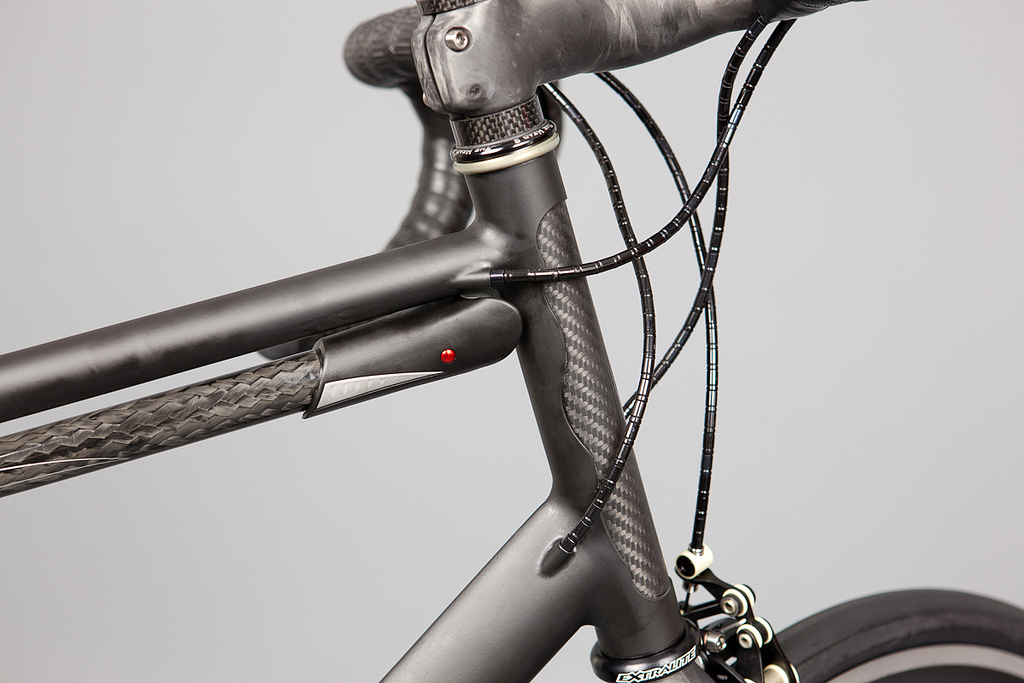
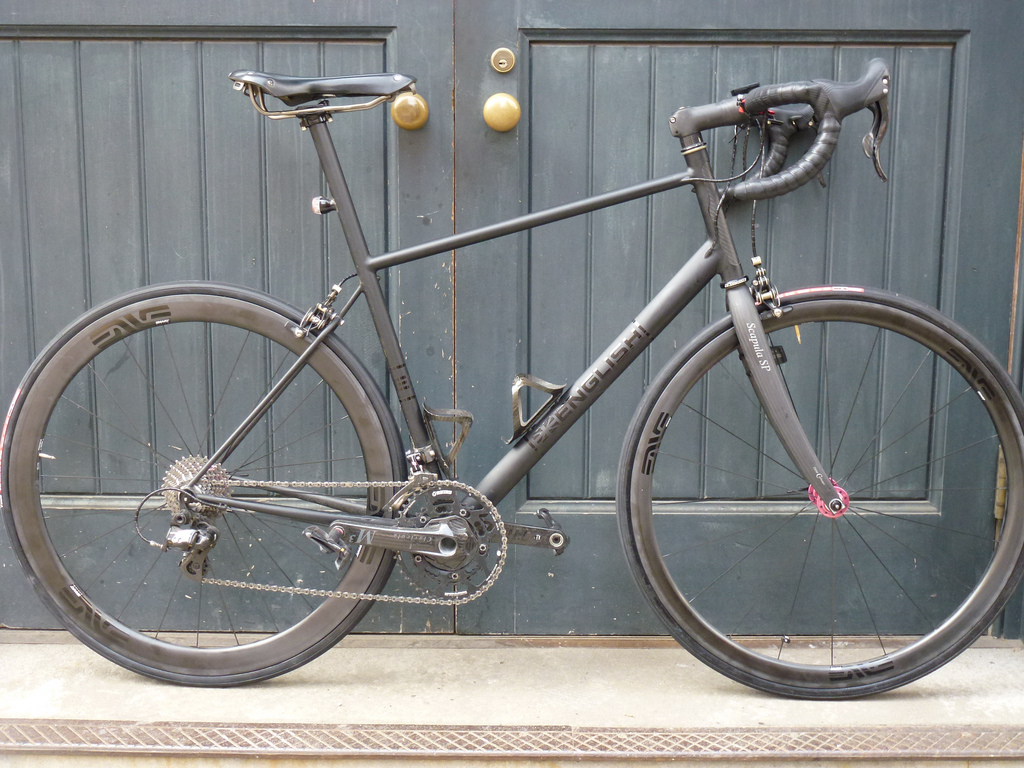
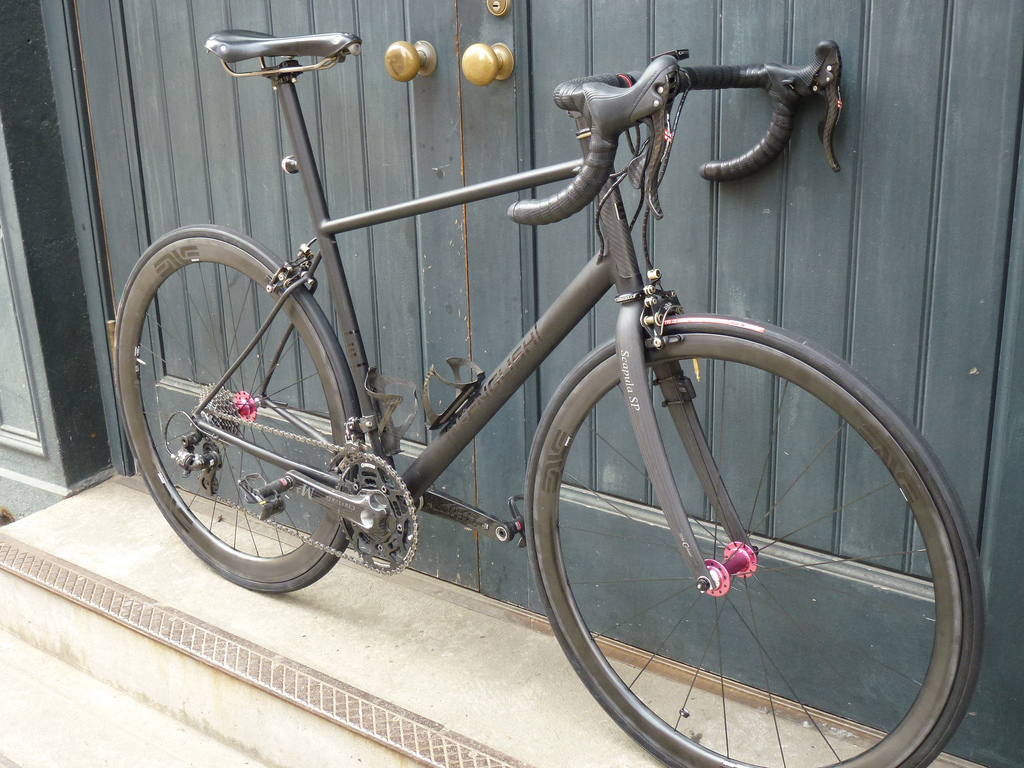
This bike was built to be the ultimate long-distance bike: It’s not a racer, nor is it a tourer or a randonneur. it’s a hybrid of all of the above. I should explain the geometry: I crushed a disc in my neck about 4 years ago as a result of a cycling accident (big pothole, high speed, long story).  So I have a significant range of motion limitation that necessitates a bike with less drop than usual. My preferred kind of riding is long distance at a reasonably fast pace in all kinds of weather on backroads. It involves a lot of gravel, big hills, and really broken up pavement. For this reason, I asked Rob for a bike that would be comfortable for ultra-long distances, and relatively stable when I’m dead tired or when I’m shaking with hypothermia. It’s not regular race bike geometry. The bike as currently set up fits only up to 25 mm tires (26 mm actual), but with a change to an Enve fork I could fit up to 29 mm tires (the biggest that will fit under the eeBrakes).

2

The first time I rode the bike was after an 11-day business trip, during which I didn’t ride or exercise at all. I had rode hard all winter, and it was a short 20-mile ride. I felt like I was flying. My first thought wasn’t “this bike is amazing,” instead, I thought, “wow, fresh legs really make a difference! I should try to take more recovery time.”

After 500 miles, I finally realized that it was the bike, not fresh legs. I understood why some riders on 9W appeared to be passing me so effortlessly when I was riding a randonneur. Over both short and long distances, I am significantly and measurably faster on this bike and it is no less comfortable than either of my randonneurs. I descend faster and with more confidence, and I climb faster than I ever have before. I spend 90% of my time in the big ring, as opposed to a 50/50 ratio of big to small on the randonneurs.

Is it the light weight or something else? I don’t know, I’m just measuring results.

4

Coming to this conclusion wasn’t easy for me. I spent many years wrapped up in the randonneur mindset, and of course I spent a lot of money and time on randonneurs. The first hint that fat-tired road bikes weren’t for me was when I switched the Toei from 32 mm tires to 23 mm tires and noticed a measurable improvement in speed and handling.

3

I don’t regret buying the randonneurs, and I will continue to ride them–they have a place on rides that are primarily gravel or rough back roads, or when it’s pouring out and I need fenders. That’s probably 40% to 50% of my rides, anyway. But this is my go to bike when I want to ride long, fast, and hard. It is indeed possible to have a bike that is ultralight, reasonably durable, and comfortable for long distances.

6

What if I could only have one bike? I think it’s fair to say that it would still be the Herse. It does everything well, and there are certainly plenty of situations where a bike like the English wouldn’t be appropriate, such as really rough roads/trails, heavy rain, or any ride where I have to carry my own gear and food for hundreds of miles. Thankfully I don’t have to make that choice!

It’s 13.9 lbs as shown, 12.9 lbs with my tubular wheelset. Super Record shifters and derailleurs, Calfee integrated bar/stem, Extralite headset, Scapula SP fork, THM M3 crankset, and eeBrakes. Clincher wheels are Stan’s NoTubes with Alchemy hubs and C4 skewers; tubular wheelset is Dash hubs, AX Lightness SRT42, and (right now) Dugast 25 mm tubular tires. I now have a Enve 3.4 clincher wheelset. Keo Carbon Blade pedals.

5

Thanks Rob!

John

medicalwriter.net

Great Climbs of the Catskills, Continued: Ski Run Road

A few weeks ago, I posted on the 8 biggest climbs in the Catskills, some of which I have completed, and others that I plan to ride over the summer. I’ve only been getting out for brief rides because of the weather, so I’ve had plenty of time to waste on Ride With GPS to identify other big climbs.

I think I’ve found the best (read: most terrifying) one yet. This route takes you over Ski Run Road, which I believe is the highest through road in the Catskills. Maximum elevation, 3261 feet. Maximum grade, 33.6%. There may be dead end roads that go higher, but I haven’t found them yet.

I did some research online to find out if this was an actual road, or just a figment of Google’s imagination. I’ve had plenty of experiences around here where Google has shown a road, and it has turned out to be nothing more than the most faintly delineated path. For example, this is Rock Hill Road, just north of Minnewaska State Park:

8210753031_28b694f264_c

And that was the part that looked most like a road. I ended up orienteering through the woods using my cell phone when the road disappeared completely.

Back to the point…Ski Run Road is real, and it’s gravel, and it is occasionally used by mountain bikers. This is the best photo I was able to find of it:

Image 8

And I found a report from Catskills Cycling (where the picture came from, hope you don’t mind!) about a ride on this road. Of course, they did it on mountain bikes. I’m not that smart.

Here’s the GPS route (with thanks to Catskills Cycling, I adapted it from their Strava trace) and a map.

Ski Run

I’d categorize this one as a must do as soon as possible ride. However, I do have some common sense, so I’m not going to take a shot at this until April or later unless it warms up considerably. Gravel + snow + ice + 33% grade is not a good combination.

More climbs to come based on recommendations from friends and readers. And now I must finish my work, I’m off to Italy tomorrow morning.

John

medicalwriter.net

The Ride of the Damned: Hudson Double-Cross

On Wednesday, Doug and I set out on a planned 101-mile route, starting from his place in Woodstock, New York. I had also asked my friend John along, but the night before he informed me that he had picked up a bug from one of his kids, and was unlikely to make it.

Since the route was long enough as planned, my girlfriend was kind enough to get up early and drive me and my bike to Woodstock for the start. The plan was to complete the route and then ride home, making it an even 200k for the day…as you’ll see, that didn’t quite work out!

The day started out promising. Low 40s, lots of fog and maybe a tiny bit of mist. The forecast was for 59 degrees, maybe some rain in the afternoon. All in all, just the way I like it. The route from Woodstock to the Rhinebeck Bridge was mostly downhill, so we hauled ass to the bridge for our first crossing of the Hudson. As you can see…foggy.

1

As we were crossing the bridge, I heard something behind me, and turned around. There was John, who was actually waiting for us, as planned, at a gas station just south of the entrance to the bridge. He had texted me a little earlier, when we were already underway, and I didn’t check my phone. The remarkable thing is that he had just gotten over whatever he had, and he was riding fueled only by a single pancake. Even so, he was clearly faster than either Doug or myself. Thanks for being patient!

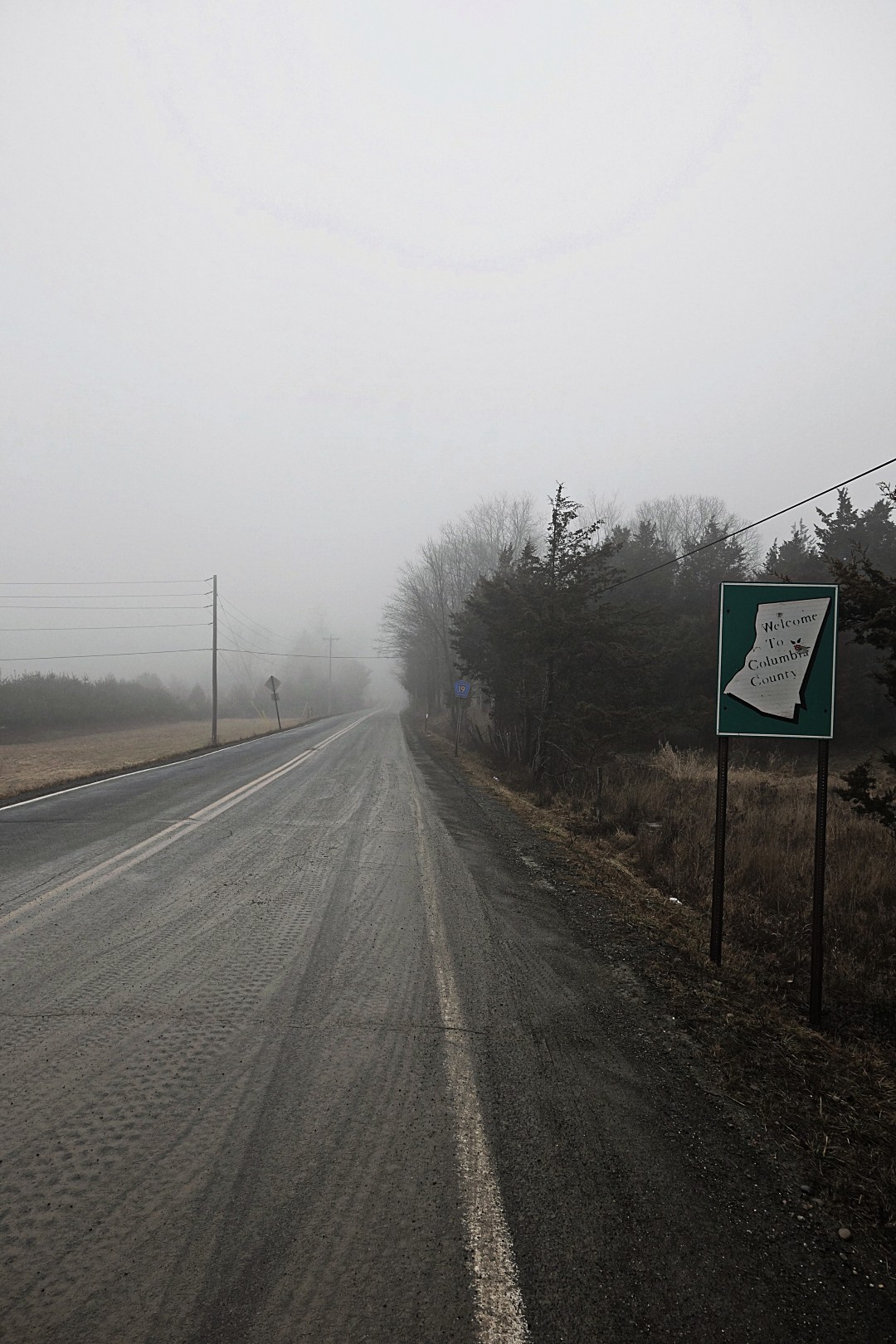
The route crosses shortly thereafter into Columbia county. Although I’ve done a lot of riding in Dutchess, this was my first time in Columbia county for any reason.

2

Columbia county, unlike its counterparts Ulster and Greene on the west side of the river, is gently rolling farmland. I think it will be beautiful during the summer, and a nice change of pace from grinding up and screaming down hills nearer to me.

3

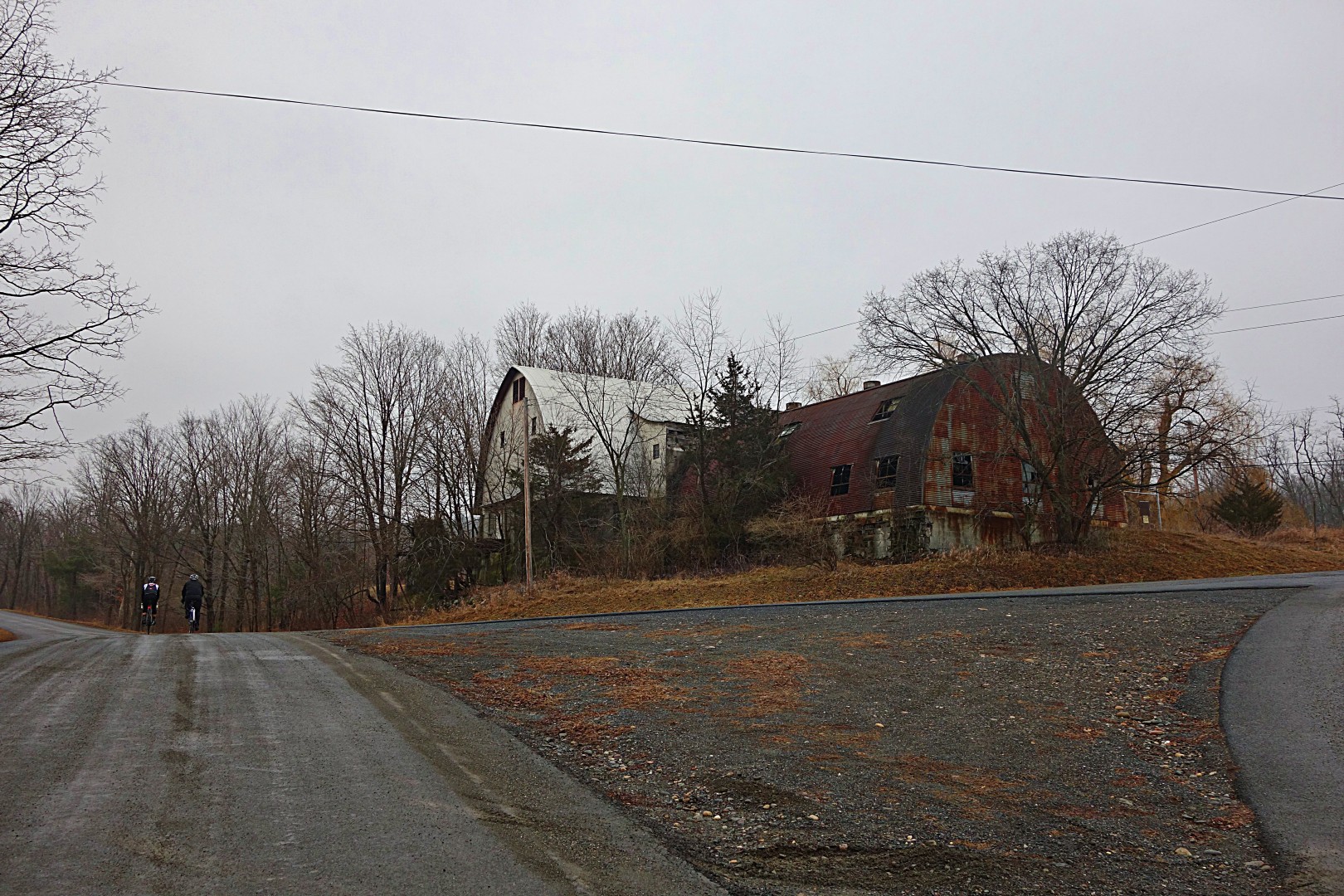
We hit a lot of strange semi-gravel roads. I’m not really sure if they were gravel, or regular roads covered in gravel and general filth.

4

In any case, they were dirty enough to result in some nice skunk stripes. Doug was sensible, and rode a bike with fenders.

5

More gently rolling countryside.

6

8

10

7

Followed by a second crossing of the Hudson about 35 miles north (or about mile 50 on the route) on the Route 23 bridge. This picture looks like more like a still from Deadliest Catch than anything that should be in New York.

11

Watch out for the expansion joint on the bridge, it will eat even the fattest tire. Doug took it at an angle and survived. I actually stopped and duck walked over it because I wasn’t going fast enough to jump it.

We stopped at Pizza and Pasta on the Catskill side of the bridge. Yes, that’s the name of the restaurant. However, they also offer a simulacrum of Mexican food if that’s what you’re craving after 55 miles. We parted ways with John here.

12

So…that was the first 55 miles. The weather deteriorated rapidly, falling into the upper 30s, accompanied by a freezing rain. Compounding the issue, there was a 20-30 mph intermittent headwind driving the rain directly into our faces, and fog started to descend. I’m fine with all of that except the heavy fog, especially since the last few miles of the route are on a heavily trafficked road. So we abandoned our plans to complete the route, ending up with somewhere around 77 miles for the day. I also abandoned my plan to ride home, and I called my girlfriend to pick me up. I’m actually a little embarrassed…the only other time I’ve abandoned a ride was in 2010, when traffic from 9W was rerouted onto my route due to construction (worst ride ever!).

As it turns out, that was my best decision all week. As we were driving home, the fog became so heavy that we had to crawl along at about 25-30 mph. There was one panicky moment where we couldn’t see the road at all. I can’t even imagine how I would have survived that on a bike.

Every ride is a good ride. With that said, I’m going to have to give this one a dissatisfactory rating. But it’s not the route’s fault, nor is it the company’s fault. I blame the lyin’ sonofabitch at The Weather Channel.

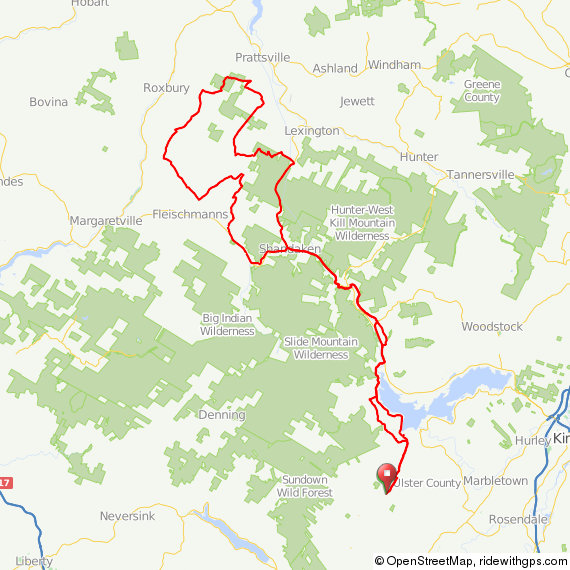
Like all the other routes I’ve published here, this one is probably worth the trip. It’s a beautiful ride through rolling farmland, and I’m sure it will be gorgeous in better weather. It is different from my usual routes in that there is easy access to services and plenty of places to stop along the way. Here’s the route, but keep in mind we took an alternate route back that cut off some miles.

route-2090895-map-full

Now I’m off to Rome to talk about the role of the sympathetic nervous system in a whole bunch of diseases—hypertension, diabetes, sleep apnea, etc. Then I return for one day, and then I’m off to Arizona. I rented a Specialized Roubaix there and am planning a 200k in the mountains. I’m looking forward to the ride, less so to the bike. I’m spoiled.

John

medicalwriter.net

Fast and Easy: Beacon to Poughkeepsie via Bike Path

Finally, the long-promised new route…

Before we begin, though, I just want to note that my previous post was meant to be funny. Dry humor, you know? If you’re in a 5-hour drivers’ ed course you have to take your amusement where you can.

Now, back to the regularly scheduled post:

My friends and I have been riding the east side of the Hudson—mainly Putnam and Dutchess—as well as 9W up to Bear Mountain on the west side for some time, but we hadn’t gone farther north on the west side of the Hudson. In part, this was because of its relative inaccessibility, and in part because of a failure of our collective imagination. After all, there was a lot to explore on the east side, and all of it easily accessible by train, whereas the only way to get over to the other side was via the Bear Mountain Bridge, the Newburg-Beacon bridge, or the Poughkeepsie bridge. We didn’t think going over to the other side was worth the effort.

Of course, now I know that’s wrong. Ulster offers considerably more rugged terrain and is far less civilized than its counterparts on the east side of the river. All of which makes for great riding, if you’re not afraid of being far from civilization, a relative lack of services, and no cell phone contact in places. All in all, it makes for a more genuine adventure than riding in Putnam and Dutchess. Don’t get me wrong, though—the east side of the river makes for some fine riding in beautiful country…it’s just different and in some ways easier.

The route begins in Beacon, New York. It’s easy to get there from Grand Central Station—see the About page for train schedules and general guidance. You’ll go over the Beacon-Newburg Bridge to get to Newburg on the west side of the river. (This image is actually from an earlier ride where we attempted to go from NYC to Poughkeepsie. We abandoned in Newburg because, due to construction, all the traffic from the highway was rerouted onto our route…worst ride ever!).

Bridge

From Newburg, you’ll continue west to the little town of Walden. There is some traffic along the way, and a few crossings of busy roads, but overall it’s a safe and fast trip to the good stuff. In Walden, you can stop for drinks or food; I believe this roadside stand is open year-round.

Stop in Walden for some food_pe

Finding the start of the bike path itself in Walden can be tricky. I redrew the route to make it easier. You’ll know you’ve arrived when you see this funhouse chute. If nothing else, it will give you a chance to practice your bike handling skills. It’s like getting on the south path of the GWB, times nine.

I recommend jumping the rail and riding the dirt path on the right.

Entry to bike path_pe

The first part of the bike path is paved and dead flat. Depending on your attitude and abilities, you can view this as either an opportunity to get it over with quickly, or a nice respite before the work begins (not that there’s much work to do on this route!)

First part of bike path_pe

At about mile 18-19, you’ll arrive in Wallkill, home of the famous correctional facility. Some maps will show the bike path going right through the prison grounds, but sadly that is not allowed. You will need to detour around the prison. There are a few hills, but nice views.

1 bike path ends go around prison_pe

3 bike path ends go around prison_pe

Here is where we encountered a helpful prison guard, who directed us around the prison. I’ll admit we looked suspicious riding around with our bags full of who knows what. Personally, I had a cake and a file in my saddlebag. Please don’t tell the man.

You’ll want to go up that hill on the right.

2 bike path ends go around prison_pe

Make sure you turn on Dennison Road.

5 around the prison_pe

4 around the prison_pe_pe

From there, it’s only about a quarter mile to the bike path, which–as you can see–is more of a cow trail in this area. I didn’t mention this earlier, but wider tires are a good idea, although, as usual, I rode the route on 25 mm tubulars.

6 bike path restarts after prison_pe

The bike path hides some baby head sized rocks, so perhaps it isn’t advisable to go this way in late fall, when the rocks and potholes are covered with fallen leaves.

7 bike path_pe

8 bike path_pe

You’ll pass through New Paltz at mile 31, which has a number of excellent restaurants, and ultimately you’ll emerge in the town of Rosendale at mile 38, which also has several good places to eat.

9 In Rosendale_pe

We stopped for lunch at Market Market Café (hours here), which has an outdoor seating area and was actually quite good. Note that the outdoor seating faces Route 213, so there is some traffic noise.

We had originally planned an out-and-back route, but we found the bike path far from challenging. We decided to return to Poughkeepsie the hard way. Luckily, Guy carries paper maps (and a fountain pen, of all things!) and he created a cue sheet to get back to the train station.

Here we are on the backroads to Poughkeepsie.

10 backroads to Poughkeepsie_pe

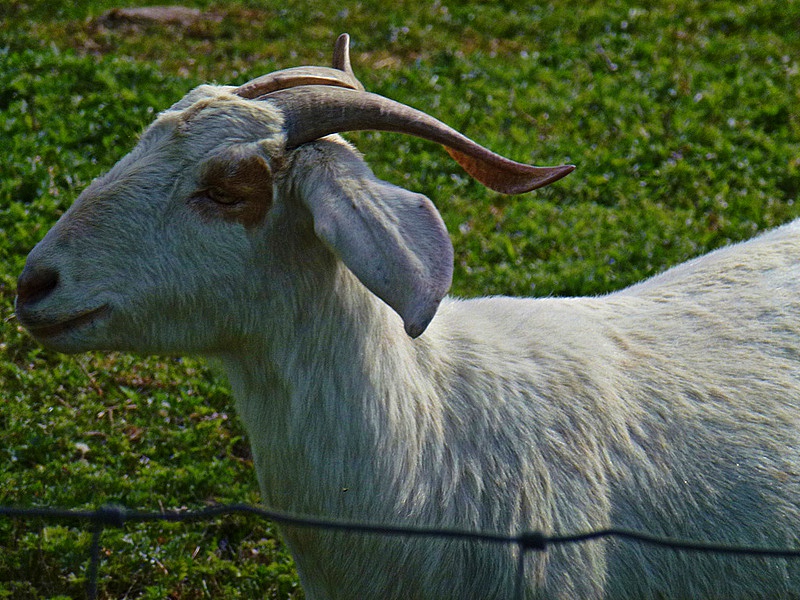
Where I took a picture of an extraordinarily handsome goat.

11 A goat_pe

The route gets more challenging here, because you’re on real roads in the hills. The climb out of Rosendale is steep and long enough for the road to warrant a separate climbing lane for cars, and there are a few steep but short climbs along the way. Overall, you’ll do half of your total climbing (which is minimal—only 3300 feet in 55 miles) in the last 15 miles.

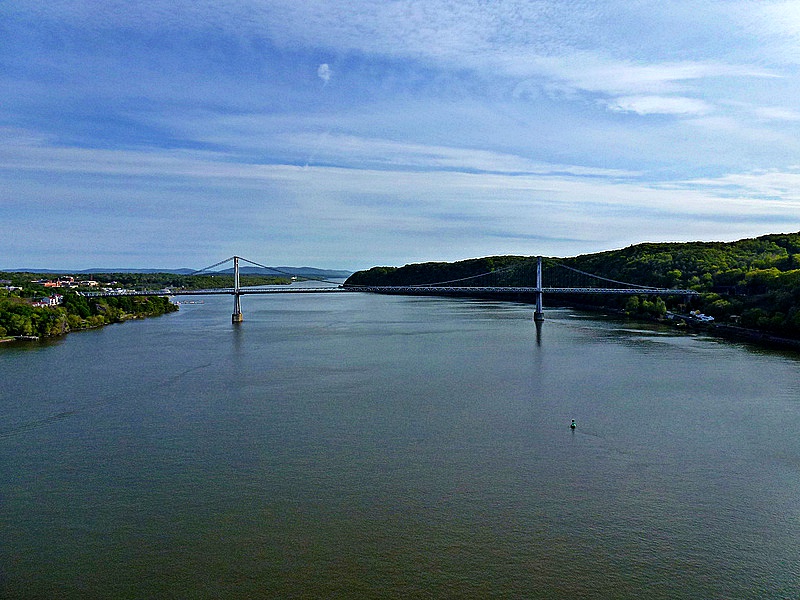
You’ll end in Poughkeepsie, where you’ll cross the world’s longest pedestrian bridge. This is a photo from the bridge, looking south.

Returning to Poughkeepsie on Pedestrian Bridge_pe

If you have dallied too long at–for example–the combined cheese/used clothes store in Rosendale, and have arrived after dark, the pedestrian bridge will be closed. No problem…just head south a quarter mile and cross the bridge pictured above. It’s actually easier to get to the train station from that bridge.

Is it worth the trip? Yes, depending on your needs and who you are riding with. Personally, even if I still lived in New York City I wouldn’t bother doing this again. It’s not challenging or remote enough for my tastes.

However, this route is a nice introduction to Ulster. It is fast, easy, and suitable for beginners in moderately good shape–or those who just want to go on a fun day ride. It includes a long segment on a very flat bike path (which I try to stay away from unless I’m riding just for transportation) but there are plenty of services along the way and several places to stop for food. Contrast that with riding in the mountains, where there are few services and you are, in fact, lucky to see more than 20 cars on an 8-hour ride.

Finally, here’s the route.  Click on the link for GPS.

route-2038647-map-full

I should have a good report and route for you on Wednesday or Thursday this week…I took Wednesday off to do a 200-kilometer double-crossing of the Hudson with a couple friends (ah, the lifestyles of the self-employed!) Stay tuned for that route and a lot more. If I survive the anticipated freezing rain, that is.

Enjoy!

John

medicalwriter.net

A Preliminary Review of the the Rivet Diablo Saddle

Saddles are the bane of my existence, as they are for many people who put in long steady distance rides. In contrast to short, fast rides that require repeated bursts of high-intensity pedaling—often out of the saddle—on longer rides you often sit…and sit…and sit. A comfortable saddle is a must.

I’ve preferred the Brooks Swallow for a long time now. It’s narrow enough to fit neatly between my thighs and has a flat profile, which suits my skinny ass well. Like other leather saddles, it appears rock hard, but there’s a bit of a trampoline effect that provides a cushion, particularly when the saddle is new. I like it enough that I use it on wildly inappropriate bikes, like my English, which really deserves a 100-gram wonder saddle.

I’ve tried other saddles without success, including the Fizik Kurve, which—despite claims that it offers the benefits of a Brooks in a modern saddle—has all of the initial drawbacks of a Brooks without the benefit of being able to break it in after a few hundred miles.

However, I still experience some pain, particularly when I’m in the saddle for longer than 10 or 12 hours. As importantly, the Swallow tends to collapse after seven or eight thousand miles. Not good if that’s about how far you ride each year, and especially not good considering that it costs more than $300.

This is the Rivet. It looks like a Brooks Swallow and, in fact, has almost identical dimensions, but it also has a cutout in the center.

Image

If you’ve got your saddle set up properly, there’s no need for a cutout because you’re not sitting on your perineum. However, the slot offers one key benefit: It allows greater flex and permits the saddle to move naturally with your pedal stroke.

I received the titanium-railed saddle a few days ago, and my initial impressions were favorable. In particular, the leather appears to be thicker than on the Brooks (closer to a Berthoud saddle) and is at least equally well finished.

I went for a 35-mile ride today with the saddle with positive results. It has been a year since my last Brooks Swallow, so my recollection may be off, but the saddle was comfortable immediately, unlike the Brooks which takes at least a few hundred miles to break in. This may or may not be a good thing—if it is comfortable immediately, as the saddle breaks in it may become less comfortable.

Only time will tell if the Rivet is more durable than a Brooks. If it is—and it continues to perform—I’m a convert. So far, so good.

I’ll report back after a thousand more miles, and PS, the Kurve Bull is for sale, if anyone wants it.

John

medicalwriter.net

The Magic of Latex

Finally found them: 28 to 35 mm Challenge latex tubes. These tubes are difficult to find except in late summer and early fall, when retailers start stocking them for cross.

Image

I like latex tubes, and yes, I can tell the difference. So much so that, on my English, I use latex tubes in my carbon fiber clinchers–a practice generally considered inadvisable because of the potential for melting. However, I don’t brake much, and I’ve been pairing latex tubes and carbon fiber clincher rims for years without incident.

The other nice thing about latex tubes is that–at least in my hands–they are resistant to puncture. The tube that currently resides on the front wheel of my English has survived three years. No punctures, and most of that time was riding in New York City. Contrast that with the butyl tubes on the Herse (no choice because it is 650B), which puncture at least once or twice every thousand miles.

There is considerable disagreement regarding whether latex tubes reduce or increase rolling resistance. Jan Heine’s real world tests indicate that they increase rolling resistance slightly, while other more carefully controlled but less realistic tests suggest that rolling resistance is reduced. The latter result makes more sense to me in the context that more supple tires generally have lower rolling resistance, but who knows?

Online, you will see complaints about punctures occurring when mounting latex tubes. There are a few ways to avoid this: First, try to mount the tire by hand. If you need help, a tire jack is a safer bet than a lever. Second, after mounting the tire inflate it slowly to 20 psi, let it rest for a few minutes to release any tube trapped under the bead, then add another 20 psi and let it sit for a while longer. Grab the tire with both hands and wiggle it to ensure both beads are seated. Then pump to full pressure. Thereafter, you can inflate as you normally would. I’ve never punctured a latex tube using this method.

I received the Challenge tubes today, and on a short break from work mounted them under the Grand Bois Extra Legere tires I received recently. I have only ~100 on the tires so far, so don’t ask about them yet. I’m planning to take Friday off for an 80-mile double crossing of the Shawangunk Ridge. I might have an opinion after that ride.

John

http://www.medicalwriter.net